Lakes in Kedarnath and Tungnath Region
Published on September 23, 2025
The Kedarnath and Tungnath region in Uttarakhand is home to some of the most pristine and picturesque high-altitude lakes in the Indian Himalayas. These lakes, formed from glacial waters and snowmelt, reflect the surrounding Himalayan peaks, offering travelers a breathtaking visual experience. Many visitors plan a Kedarnath Tungnath Package to combine the spiritual journey of visiting sacred temples with the natural serenity of these alpine lakes.
High-altitude lakes in this region are often linked to local legends and mythology, adding a layer of spiritual significance to the natural beauty. Surrounded by dense deodar, oak, and rhododendron forests, these lakes provide a peaceful retreat for pilgrims, trekkers, and nature enthusiasts alike.
Highlights of Himalayan lakes near Kedarnath and Tungnath:
-
Crystal-clear waters reflecting Chaukhamba, Trishul, and Nanda Devi peaks.
-
Accessibility via moderate trekking trails suitable for families and seasoned hikers.
-
Opportunities for camping and meditation amidst serene surroundings.
-
Rich flora including alpine flowers, rhododendrons, and medicinal herbs.
-
Frequent sightings of Himalayan birds and wildlife such as the Himalayan Monal and musk deer.
A visit to these lakes is not just a scenic adventure; it complements the spiritual experience of the Kedarnath Tungnath Tour. Travelers can combine trekking, photography, wildlife observation, and meditation to make the journey holistic. These lakes serve as a natural sanctuary in the Himalayas, giving visitors a rejuvenating experience away from city life.

Deoria Tal – Features, trekking access, and scenic views of the lake
Deoria Tal is one of the most popular high-altitude lakes near Chopta, often called the “mirror of the mountains” for its perfect reflection of the surrounding Himalayan peaks. It is an essential stop in a Kedarnath tungnath tour package, offering travelers a combination of easy trekking and breathtaking natural beauty.
The lake sits at an altitude of approximately 2,438 meters and is accessible via a 3–4 km trek from Sari village. The trail is considered easy to moderate, making it suitable for families, beginners, and spiritual seekers. Along the path, travelers walk through lush meadows and oak-deodar forests, experiencing the peaceful ambiance of the Himalayas.
Key features and experiences at Deoria Tal:
-
Panoramic views of Chaukhamba, Trishul, and Nanda Devi peaks.
-
Trekking through rhododendron and alpine flower-filled trails.
-
Opportunities for photography during sunrise and sunset.
-
Camping in nearby meadows as part of a Kedarnath chopta tour package.
-
Birdwatching and observing local Himalayan wildlife.
Visitors can spend a few hours enjoying the serene environment, meditating by the lake, or capturing the reflections of the majestic peaks. The calm and pristine waters make it an ideal spot for relaxation and connecting with nature. Deoria Tal’s accessibility and scenic charm make it one of the highlights of any Kedarnath–Tungnath itinerary.
Vasuki Tal – Location, significance, and trekking details
Vasuki Tal is a high-altitude lake located in the Garhwal Himalayas and is part of more challenging trekking routes near Kedarnath. It is included in specialized itineraries for those seeking adventure, often as part of a Kedarnath tungnath tour from Delhi.
Situated at an altitude of approximately 4,135 meters, the trek to Vasuki Tal is moderately challenging and suitable for experienced trekkers. The path passes through rocky terrains, snowfields, and alpine meadows, offering spectacular views at every step. Trekkers often combine this trail with the tungnath temple trek or a Panch Kedar pilgrimage circuit.
Vasuki Tal highlights:
-
Pristine glacial lake with fewer visitors, providing peace and solitude.
-
Surrounded by snow-capped peaks and high-altitude meadows.
-
Opportunities to observe Himalayan flora and rare bird species.
-
Ideal for camping and photography enthusiasts.
-
Trekking experience suitable for adventure travelers seeking offbeat destinations.
Spending a night near Vasuki Tal under a starry sky adds a memorable adventure element to the journey. The combination of physical challenge, natural beauty, and spiritual calm makes it a must-visit for travelers on a Kedarnath Tungnath trek or pilgrimage tour.
Gandhi Sarovar – High-Altitude Lake Experience and Surroundings
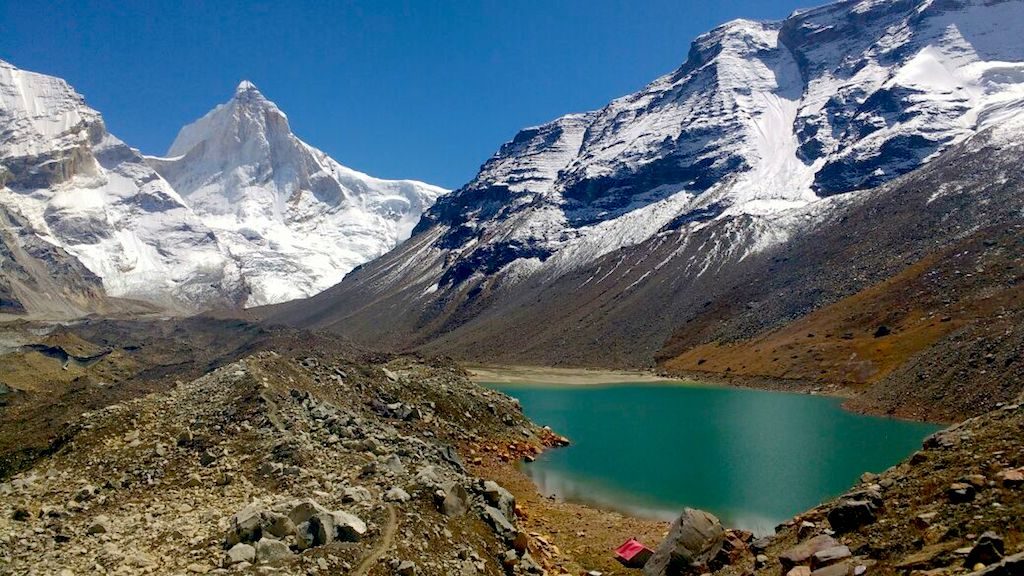
Gandhi Sarovar is one of the most remote and serene high-altitude lakes near Kedarnath. Often included in exclusive Kedarnath tungnath tour package itineraries, it offers travelers a sense of solitude and connection with the Himalayas away from crowded trails.
The lake is situated at an altitude of approximately 4,250 meters and is surrounded by snowfields, rocky ridges, and alpine meadows. Accessing Gandhi Sarovar requires moderate trekking experience, and the trail offers a mix of natural beauty and spiritual reflection. The journey is suitable for trekkers looking to combine adventure with peaceful retreats in nature.
Highlights of Gandhi Sarovar:
-
Remote high-altitude location with minimal footfall.
-
Clear glacial waters reflecting Himalayan peaks.
-
Surrounded by alpine meadows, rocky ridges, and snowfields.
-
Ideal for photography, meditation, and camping.
-
Part of specialized pilgrimage and trekking itineraries near Kedarnath.
The lake is a perfect stop for travelers to enjoy quiet moments, meditate, or take photographs of pristine Himalayan landscapes. Its peaceful environment complements the spiritual aspects of visiting Kedarnath and Tungnath, making it a favored spot for those combining adventure and pilgrimage. Travelers often plan overnight camping near the lake, enhancing the overall trekking experience.
The surrounding areas also provide opportunities for wildlife spotting, including Himalayan Monal and rare bird species. Trekking here offers not just physical challenge but also a spiritual connection with nature, making Gandhi Sarovar a hidden gem for serious trekkers and spiritual seekers alike. A visit here can easily be incorporated into a Kedarnath Tungnath trek or a broader Uttarakhand pilgrimage tour.
Flora and Fauna Around the Lakes
The high-altitude lakes near Kedarnath and Tungnath are not only scenic but also rich in biodiversity. A Kedarnath tungnath tour provides travelers with a unique opportunity to explore the rich flora and fauna of the Garhwal Himalayas, adding an educational dimension to the spiritual and adventure experience.
The forests surrounding the lakes include dense deodar, oak, and rhododendron trees. Seasonal alpine flowers bloom along the trekking trails, adding vibrant colors to the serene landscape. Medicinal herbs grow naturally, showcasing the ecological richness of the region. Travelers on a Kedarnath chopta tour package often enjoy guided walks to learn about these plants and their traditional uses.
Wildlife and biodiversity highlights:
-
Himalayan Monal, peacocks, and eagles visible near trekking trails.
-
Musk deer, leopards, and other Himalayan mammals occasionally spotted.
-
Alpine flowers and rhododendrons bloom in spring, attracting photographers.
-
Migratory and rare birds found near lakes like Deoria Tal and Vasuki Tal.
-
Healthy ecosystem sustained by minimal human interference.
These forests and meadows provide perfect trekking trails, combining natural beauty with wildlife spotting. The experience is especially rewarding for nature enthusiasts, birdwatchers, and photographers. Trekking through these areas offers insight into the Himalayan ecology while maintaining spiritual calm during the Kedarnath Tungnath tour from Delhi.
The flora and fauna complement the lakes’ scenic beauty, making them ideal destinations for families, adventure seekers, and spiritual travelers. Travelers are advised to respect wildlife and avoid disturbing the natural environment, ensuring the preservation of these pristine ecosystems for future visitors.

Best Time to Visit the Lakes
Visiting the high-altitude lakes near Kedarnath and Tungnath requires careful planning due to the Himalayan climate. A Kedarnath Tungnath tour provides guidance on the ideal seasons, ensuring travelers enjoy pleasant weather, scenic trails, and safe trekking conditions.
The best time to visit depends on the experience you seek. Spring and summer (March–June) are ideal for trekking, camping, and photography. The alpine flowers bloom, forests are lush, and snow in higher regions starts melting, creating perfect conditions for lake reflections. Autumn (September–November) offers clear skies, crisp air, and fewer crowds, making it ideal for meditative walks and photography. Winter (December–February) is suited for snow trekking enthusiasts, though some lakes may be frozen.
Seasonal highlights:
-
Spring/Summer (March–June): Blooming rhododendrons, pleasant temperatures, and clear reflections in lakes.
-
Autumn (September–November): Crisp air, panoramic mountain views, and minimal tourist traffic.
-
Winter (December–February): Snow-covered landscapes, frozen lake surfaces, and adventure trekking opportunities.
-
Monsoon (July–August) is less recommended due to slippery trails and heavy rainfall.
A Kedarnath Tungnath package from Delhi often suggests traveling during spring or autumn for comfortable trekking and better access to lakes like Deoria Tal and Vasuki Tal. Early morning visits provide the best reflections for photography and a serene environment for meditation. Layered clothing, waterproof jackets, and trekking shoes are essential during all seasons, while sun protection and warm gear are important for high-altitude conditions.
Planning according to the seasons ensures visitors maximize their Himalayan experience. The combination of natural beauty, clear skies, and spiritual tranquility makes these months ideal for including lakes in a Kedarnath chopta tour package.
Photography and Adventure Opportunities
The high-altitude lakes near Kedarnath and Tungnath are ideal for photography, trekking, and adventure experiences. Travelers booking a Kedarnath tungnath tour from Delhi can combine spiritual visits with scenic explorations and nature photography.
Sunrise and sunset over the lakes, especially Deoria Tal and Vasuki Tal, create dramatic reflections of snow-capped peaks, offering perfect moments for photographers. Adventure seekers also enjoy trekking through alpine meadows, camping at Chopta, and navigating moderate to challenging trails near the lakes.
Photography and adventure highlights:
-
Sunrise and sunset reflections in Deoria Tal and Gandhi Sarovar.
-
Starry nights during Chopta Tungnath camping.
-
Wildlife photography opportunities including Himalayan Monal, eagles, and musk deer.
-
Snow trekking and high-altitude adventure near Tungnath and Vasuki Tal.
-
Panoramic views of Chaukhamba, Trishul, and Nanda Devi peaks.
Trekking routes are designed to include viewpoints and lake stops, allowing travelers to experience both adventure and meditation. Photographers and nature enthusiasts can plan early morning hikes for the best lighting and calm water reflections. Camping at Chopta meadows adds to the adventure and provides a safe base for exploring nearby lakes.
Including lakes in your itinerary enriches the overall Kedarnath Tungnath tour, combining spiritual pilgrimage, trekking, and nature photography. Travelers are advised to carry proper trekking gear, cameras, and portable power sources to capture these pristine Himalayan landscapes safely.
How to Reach These Lakes
Accessing the high-altitude lakes requires a combination of road travel and trekking. A Kedarnath Tungnath package from Delhi ensures a smooth and organized journey with guided treks, making it easier for travelers to reach remote lakes safely.
Most visitors start their journey from Delhi or nearby cities such as Haridwar and Rishikesh. From these hubs, travelers take road transport to Chopta or Guptkashi, which serve as base points for trekking to lakes and temples. Trekking trails vary in difficulty, from easy family-friendly routes to moderate alpine paths suitable for adventure seekers.
Access and routes:
-
By Road: Delhi → Haridwar/Rishikesh → Guptkashi → Chopta
-
Trekking to Lakes: Chopta to Deoria Tal (3–4 km, easy), Chopta to Tungnath (3.5 km, moderate), Kedarnath to Vasuki Tal (6 km, moderate to challenging)
-
Nearest Airport: Jolly Grant Airport, Dehradun
-
Nearest Railway: Rishikesh and Haridwar
-
Guided tours provide transport, trekking support, and accommodation bookings.
Travelers are advised to start early, follow marked trails, carry essential trekking gear, and acclimatize at higher altitudes. A Kedarnath tungnath tour package ensures that logistics, permits, and safety measures are well-managed, allowing travelers to focus on the spiritual and natural beauty of the region.

Tips for Travelers
Visiting high-altitude lakes and trekking near Kedarnath and Tungnath requires preparation and safety awareness. A Kedarnath Tungnath tour provides guidance for a smooth and memorable journey.
Essential travel tips:
-
Wear layered clothing and sturdy trekking shoes.
-
Carry waterproof gear, sun protection, and warm clothing for high-altitude conditions.
-
Pack a first-aid kit, water, and energy snacks.
-
Respect temple customs and preserve natural surroundings.
-
Plan for acclimatization to avoid altitude sickness.
-
Book accommodation and guided tours in advance during peak seasons.
-
Follow marked trails and avoid wandering into unsafe areas.
-
Carry cameras, binoculars, and trekking poles for photography and safety.
Travelers on a Kedarnath chopta tour package should also plan trekking routes and overnight camping at Chopta meadows to maximize adventure and scenic experiences. Following these tips ensures a safe, comfortable, and spiritually enriching journey.
Conclusion – Serene Lakes and Himalayan Bliss
The high-altitude lakes near Kedarnath and Tungnath provide a perfect blend of spirituality, adventure, and natural beauty. Traveling on a Kedarnath Tungnath tour package allows visitors to explore Deoria Tal, Vasuki Tal, Gandhi Sarovar, and other pristine lakes while experiencing the Himalayan wilderness and sacred temples.
Key takeaways:
-
Lakes offer panoramic views of Himalayan peaks and serene natural surroundings.
-
Trekking, camping, and photography enhance adventure experiences.
-
Spiritual calm and meditation opportunities complement the pilgrimage.
-
A Kedarnath Tungnath trek provides a holistic Himalayan journey.
-
Guided Kedarnath Tungnath package from Delhi ensures convenience, safety, and well-structured itineraries.
From starry nights at Chopta to reflections of majestic peaks in Deoria Tal, these lakes create lasting memories for spiritual seekers, nature lovers, and adventure enthusiasts. Wildlife, alpine flora, and the peaceful ambiance of high-altitude lakes make them an essential addition to any Uttarakhand pilgrimage tour.
Visiting these lakes completes the Himalayan experience, offering moments of introspection, awe, and natural wonder. A combination of trekking, sightseeing, and spiritual pilgrimage ensures a journey that refreshes the body, mind, and soul.

Frequently asked questions
1. What is the distance from Kedarnath to Vasuki Tal?
The trek from Kedarnath to Vasuki Tal is approximately 8 km one way, with a challenging ascent along narrow tracks, including crossing glaciers. The total trek route is about 24 km, starting from Gaurikund. Due to the difficulty, it's advisable to undertake this trek with a guide.
2. Is the Deoria Tal trek safe for beginners?
Yes, the Deoria Tal trek is considered safe and is of moderate difficulty. The route is well-marked, and with proper guidance and attention, trekkers can enjoy a safe experience.
3. How long does it take to trek to Gandhi Sarovar from Kedarnath?
The trek to Gandhi Sarovar, also known as Chorabari Tal, is approximately 3 km from Kedarnath. The trail is well-paved for over half of the way and offers stunning views of the surrounding Himalayas.
4. What is the best time to visit these lakes?
The ideal months to visit are from March to June and September to November. These periods offer clear skies, pleasant temperatures, and blooming alpine flora, making them perfect for trekking and photography.
5. Are there any accommodation options near the lakes?
Yes, trekkers can find accommodations ranging from guesthouses in Chopta and Sari village to campsites near Deoria Tal and Gandhi Sarovar. It's advisable to book accommodations in advance, especially during peak seasons.
6. Can I visit these lakes during the monsoon season?
It's not recommended to visit during the monsoon season (July to September) due to heavy rainfall, which can make trekking routes slippery and unsafe. The trails are best enjoyed during the dry months when the weather is more stable.
7. What wildlife can be spotted around these lakes?
The region is rich in biodiversity. Trekking enthusiasts may encounter species like the Himalayan Monal, musk deer, and various alpine flora. Birdwatchers will also appreciate the diverse avian life in the area.
8. Is a guide necessary for trekking to these lakes?
While some trails like Deoria Tal are relatively straightforward, it's advisable to hire a guide for treks to lakes like Vasuki Tal and Gandhi Sarovar due to their challenging terrains and the need for navigation through glaciers.
9. What should I pack for a trek to these lakes?
Essential items include sturdy trekking shoes, warm clothing, rain gear, a first-aid kit, water bottles, energy snacks, and a camera. For higher altitudes, carrying sunscreen and sunglasses is also recommended.
10. Are these lakes accessible year-round?
Access to these lakes is generally open from May to November. During winter months (December to February), heavy snowfall can make trails impassable, and some lakes may be frozen, limiting accessibility.
.jpg)