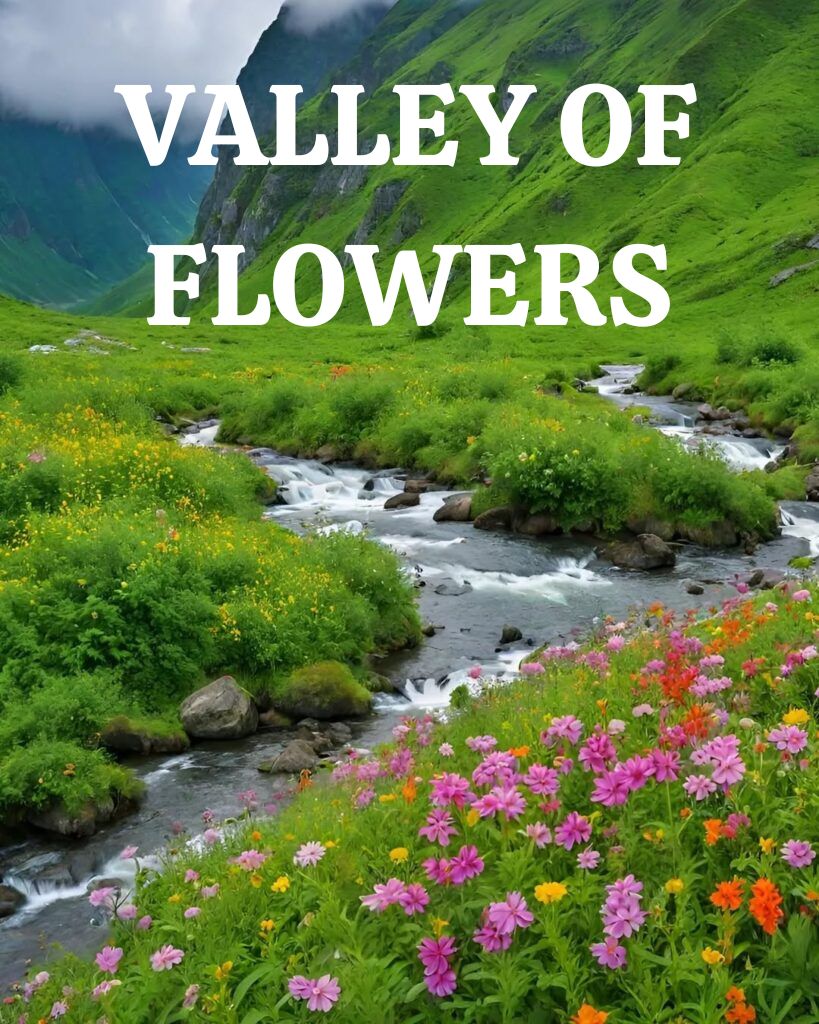
Photography Guide to Chopta, Tungnath & Chandrashila
Published on September 29, 2025
Chopta is one of those destinations that calls photographers again and again. Surrounded by tall Himalayan peaks, green meadows, and peaceful forests, it offers endless frames worth capturing. For many travelers, choosing a Chopta Tour Package is not only about trekking but also about capturing moments that stay forever in their lens.
Photographers find the region perfect because it combines landscapes, culture, and spirituality in one journey. Whether you are on the Chopta Tungnath Trek or heading higher to the Chopta Chandrashila Trek, each step brings new opportunities for creative shots.
Why it’s a paradise for photographers:
-
Changing landscapes – from dense forests to open meadows and snow-clad peaks.
-
Golden sunrise and sunset – especially from Chandrashila, offering panoramic views.
-
Wildlife and birds – including Himalayan monal, deer, and other rare species.
-
Spiritual architecture – the ancient Tungnath Temple with a backdrop of mountains.
-
Starry skies – Chopta is known for clear skies, perfect for night photography.
Whether you are a beginner with a phone camera or a professional with a DSLR, the journey through Chopta, Tungnath, and Chandrashila makes sure your gallery is filled with unforgettable shots.
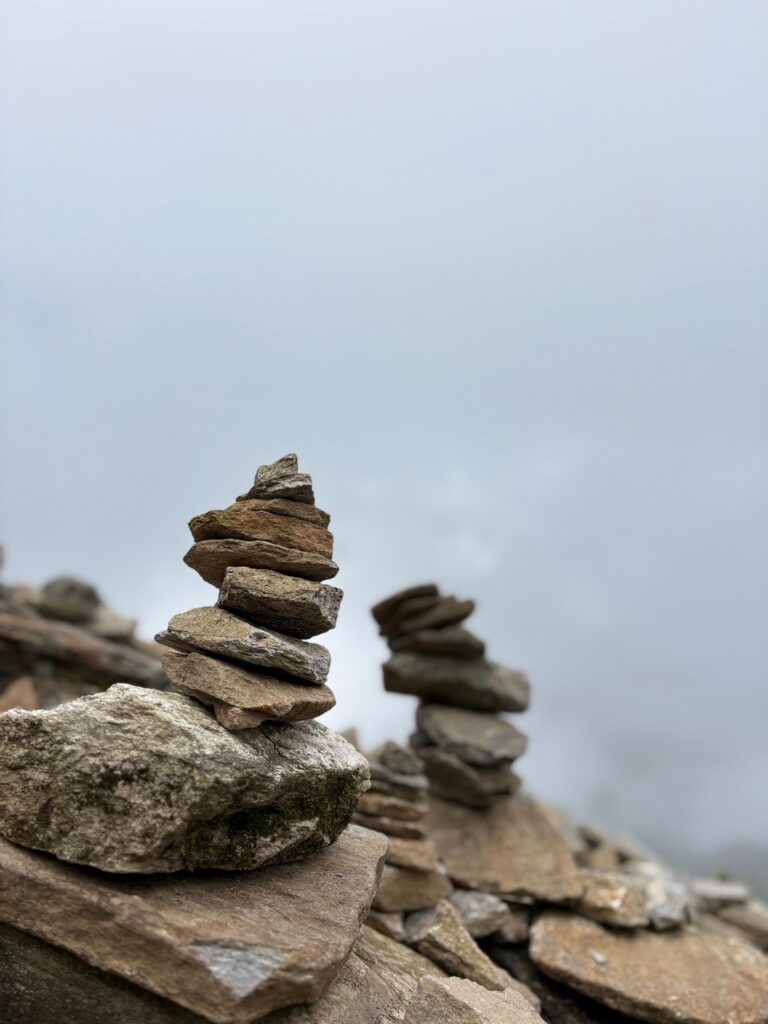
Best Seasons for Photography in Chopta Tour Package
Chopta is one of the most scenic spots in Uttarakhand, offering photographers year-round opportunities to capture breathtaking landscapes. Each season brings its own charm, making it a paradise for nature lovers and shutterbugs. Whether you are on the Tungnath Temple Trek or planning to hike up to the Chandrashila Trek, knowing the best season helps you capture the essence of this Himalayan region more beautifully.
Spring Blooms – Rhododendrons and Fresh Meadows
From March to April, Chopta turns vibrant with blooming rhododendrons and lush meadows. The landscape offers a bright palette, perfect for wide-angle shots.
-
Red and pink rhododendrons dominate the slopes.
-
Meadows look fresh and green after winter snow melts.
-
Ideal time for macro shots of Himalayan wildflowers.
Summer Landscapes – Clear Skies and Vibrant Trails
May to June brings crystal-clear skies, mild weather, and comfortable trekking conditions. Photographers enjoy panoramic Himalayan views during this time.
-
Clear skies give sharp frames of snow-capped peaks.
-
Trails to Tungnath Temple are accessible, adding cultural shots.
-
Perfect for sunrise and sunset captures.
Monsoon Views – Misty Frames and Green Valleys
July to September transforms Chopta into a misty paradise. While trekking needs caution, monsoon offers dreamy photography opportunities.
-
Valleys covered in deep green shades.
-
Clouds floating over ridges for mystical shots.
-
Great for dramatic and moody frames.
Autumn Colors – Golden Light and Crisp Horizons
October to November is one of the most photogenic periods. The weather is crisp, skies are crystal clear, and golden hues dominate the scenery.
-
Ideal for landscape and horizon shots.
-
Snow peaks are more visible against blue skies.
-
Best time for long-exposure photography.
Winter Wonderland – Snow-Covered Chopta Trails
December to February covers Chopta in a blanket of snow, creating postcard-like scenery. This season is especially loved by adventure photographers.
-
Snow-draped forests and trails.
-
Chandrashila Trek in winter gives panoramic white landscapes.
-
Perfect for capturing starlit skies and snowy dawns.
Each season in Chopta unfolds unique photography frames, making it worthwhile to plan your journey according to your visual interests.
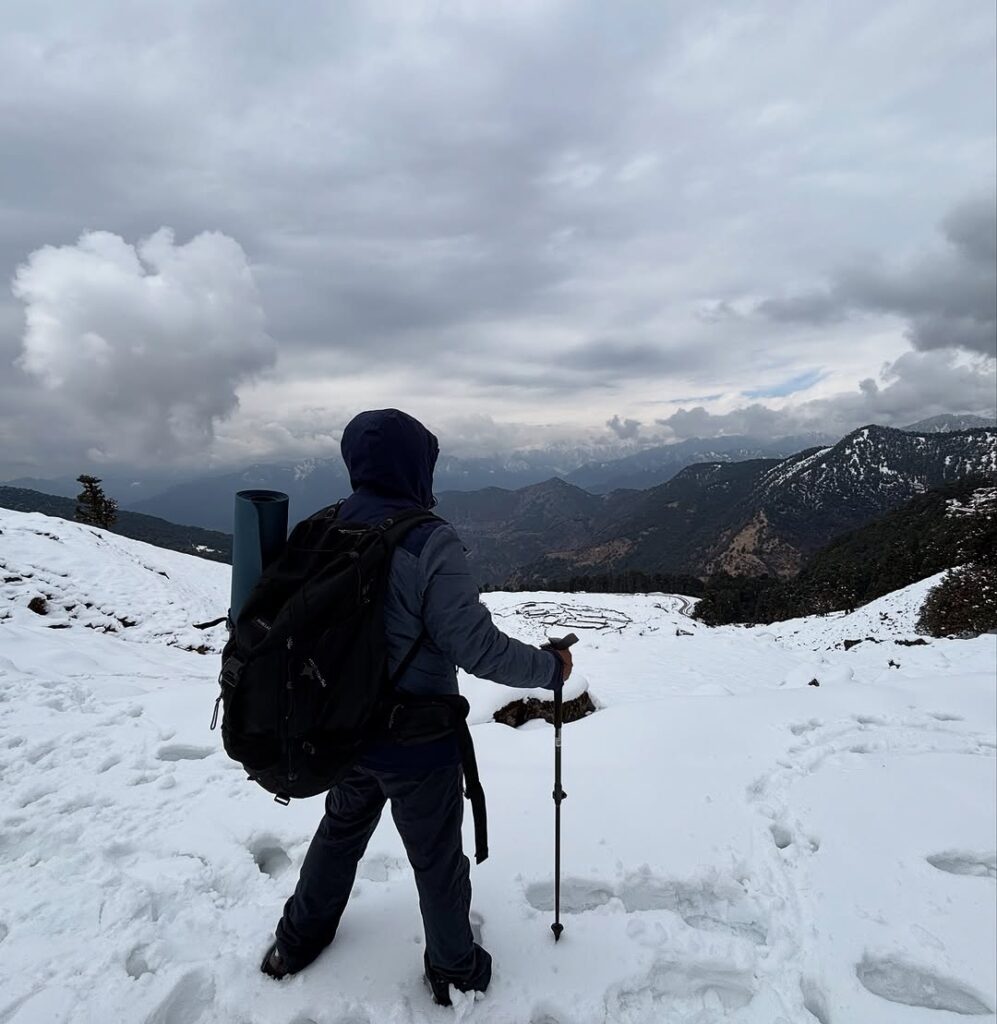
Capturing Sunrise and Sunset Views at Chandrashila
The Chandrashila peak is one of the most photographed spots in Uttarakhand, known for its dramatic sunrise and sunset views over the Garhwal Himalayas. For travelers who embark on the Chandrashila Trek from Delhi, the journey is not just about the climb but also about witnessing these unforgettable moments of light and shadow.
Why Chandrashila Summit Trek is Famous for Sunrise Shots
The sunrise from Chandrashila is a sight that draws trekkers from across the country. As the first rays of light touch peaks like Nanda Devi, Trishul, and Chaukhamba, the mountains turn golden, creating breathtaking frames for photographers.
-
Crisp mountain air ensures clear shots.
-
A panoramic view of more than 40 Himalayan peaks.
-
Ideal conditions for wide-angle sunrise photography.
Golden Hour Magic – Evening Frames from the Peak
Sunsets at Chandrashila have their own charm. As the sun dips below the horizon, the skies paint themselves in orange, purple, and pink hues.
-
Perfect lighting for silhouette photography.
-
Shadows stretching across meadows and valleys.
-
Great opportunity for time-lapse captures.
Best Photography Spots around Chandrashila for Sun Views
Not just the summit, but nearby areas also provide amazing photography angles.
-
Tungnath Temple trail offers frames with spiritual and natural elements.
-
Meadow clearings on the way to the top are excellent for landscape shots.
-
Deoriatal Lake nearby reflects Himalayan peaks beautifully during golden hours.
Tips for Shooting Sunrise and Sunset in the Himalayas
Capturing the perfect frame in high-altitude conditions needs preparation.
-
Carry a tripod for long-exposure and low-light shots.
-
Use layers of clothing, as early mornings and evenings are chilly.
-
Start the climb early to avoid missing the first rays of sunrise.
-
Keep spare batteries since cold weather drains them quickly.
For travelers planning the Chopta Chandrashila Trek from Delhi, timing your trek to witness sunrise or sunset at the summit makes the journey truly rewarding. With thoughtful planning and the right photography gear, Chandrashila offers one of the most magical experiences a Himalayan trekker can capture.
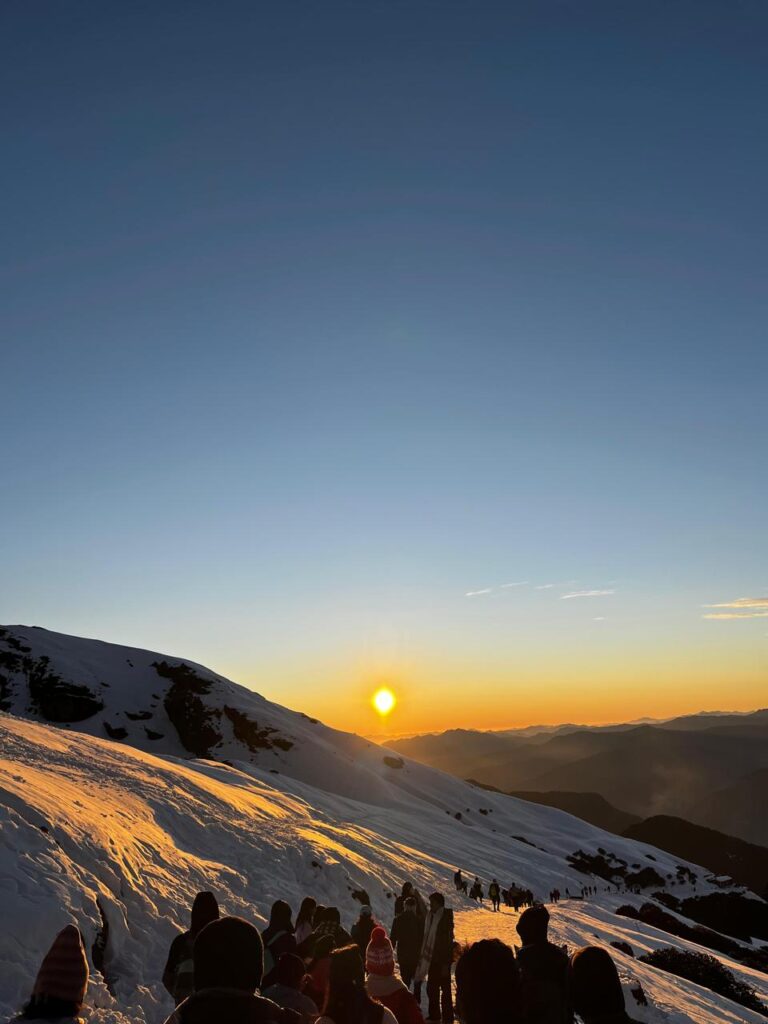
Wildlife and Bird Photography in Chopta Meadows
Chopta, often called the “Mini Switzerland of Uttarakhand,” is not only a trekker’s delight but also a paradise for wildlife and bird photographers. The lush meadows, dense forests, and peaceful environment provide a natural habitat for many Himalayan species, making it an ideal place to capture wildlife in their raw beauty.
Rich Wildlife in Chopta Meadows
Photographers visiting Chopta can spot rare Himalayan fauna in the meadows and surrounding forests.
-
Musk deer and Himalayan tahr grazing in open patches.
-
Red fox and porcupine often spotted in dense areas.
-
Occasional sightings of leopards and other predators.
These unique encounters give photographers opportunities to frame both dramatic and serene shots.
Birdwatcher’s Heaven – A Treat for Photographers
Chopta is one of the most loved birding destinations in India. Its altitude and forest cover attract rare bird species, making it a hotspot for bird photography.
-
Himalayan monal – the state bird of Uttarakhand, famous for its rainbow-colored plumage.
-
Koklass pheasant, laughing thrush, and hill partridge.
-
Migratory birds visiting during spring and summer.
Early mornings and late afternoons are the best times for capturing these vibrant species.
Photography Tips for Best Shots
To make the most of wildlife and bird photography in Chopta meadows, a little preparation goes a long way.
-
Carry a zoom lens (200mm or above) for close-up shots without disturbing animals.
-
Use silent mode to avoid scaring away birds.
-
Wear muted colors to blend with the environment.
-
Stay patient—sometimes the best shots come after long waiting hours.
Chopta’s meadows offer not just scenic beauty but also unforgettable frames of Himalayan wildlife, making every photography journey truly rewarding.

Tungnath Temple – Architectural & Cultural Photography Tips
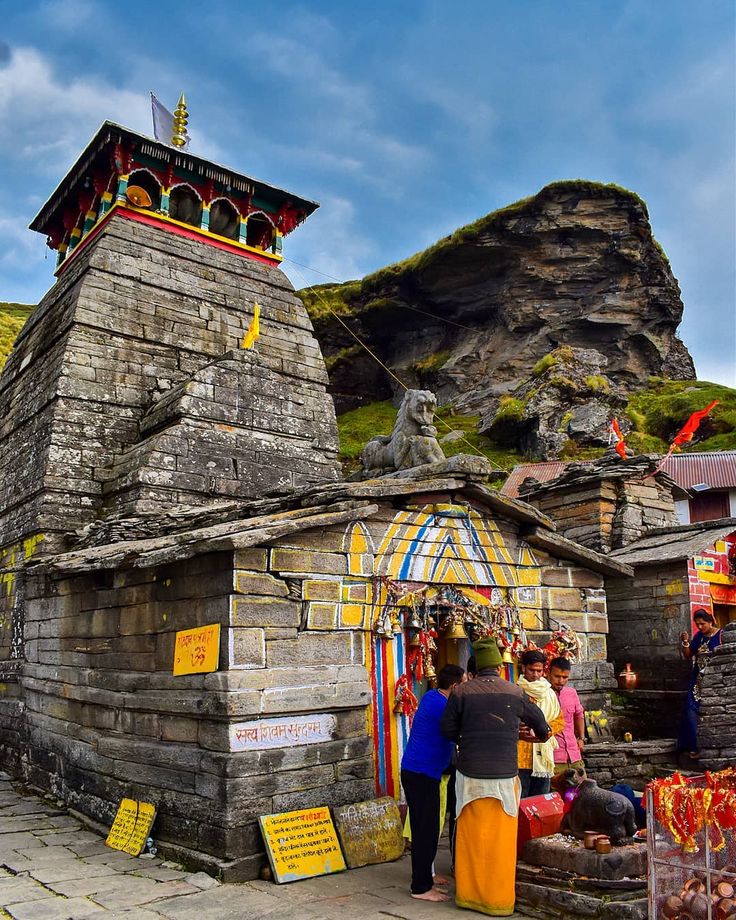
Tungnath Temple, the highest Shiva temple in the world, is not only a sacred pilgrimage site but also a dream location for cultural and architectural photography. Whether you are on the Chopta Tungnath Trek from Delhi or planning a short Chopta weekend getaway, this temple offers countless frames that combine history, spirituality, and the raw beauty of the Himalayas.
Capturing the Sacred Grandeur of Tungnath Temple
The temple’s serene setting at 3,680 meters above sea level makes it perfect for dramatic wide shots. The backdrop of snow-clad peaks highlights its divine presence.
-
Frame the temple with Himalayan ranges at sunrise or sunset.
-
Use a wide-angle lens to showcase the temple in its natural surroundings.
-
Include clouds and skies to enhance the dramatic feel.
Stone Carvings and Intricate Architectural Frames
Tungnath’s stone-built structure carries centuries of heritage, giving photographers a chance to capture both detail and depth.
-
Focus on the finely carved doorways and sculptures.
-
Close-up shots of stone patterns show the craftsmanship of the era.
-
Highlight weathered textures that reveal its age and timelessness.
Spiritual Essence of Pilgrims and Rituals
The temple isn’t just architecture—it’s a living spiritual center. Photographing devotees and rituals adds cultural richness to your collection.
-
Capture the devotion of pilgrims offering prayers.
-
Document rituals with incense smoke and temple bells.
-
Use candid shots to reflect the emotional connection people share with the temple.
Best Angles and Lighting for Tungnath Temple Trek Photography
Lighting plays a crucial role in architectural photography. At Tungnath, natural light changes rapidly, offering dynamic frames.
-
Early morning light enhances temple details against golden peaks.
-
Midday provides sharp contrasts for stone carvings.
-
Evening shadows and sunsets create a spiritual, calm atmosphere.
For travelers seeking the best Chopta tour package, including Tungnath Temple in the itinerary ensures not only a spiritual experience but also a chance to capture unforgettable photographs. The blend of natural beauty, history, and culture makes it one of the most photogenic sites in the Himalayas.
Astrophotography – Night Skies Over Chopta
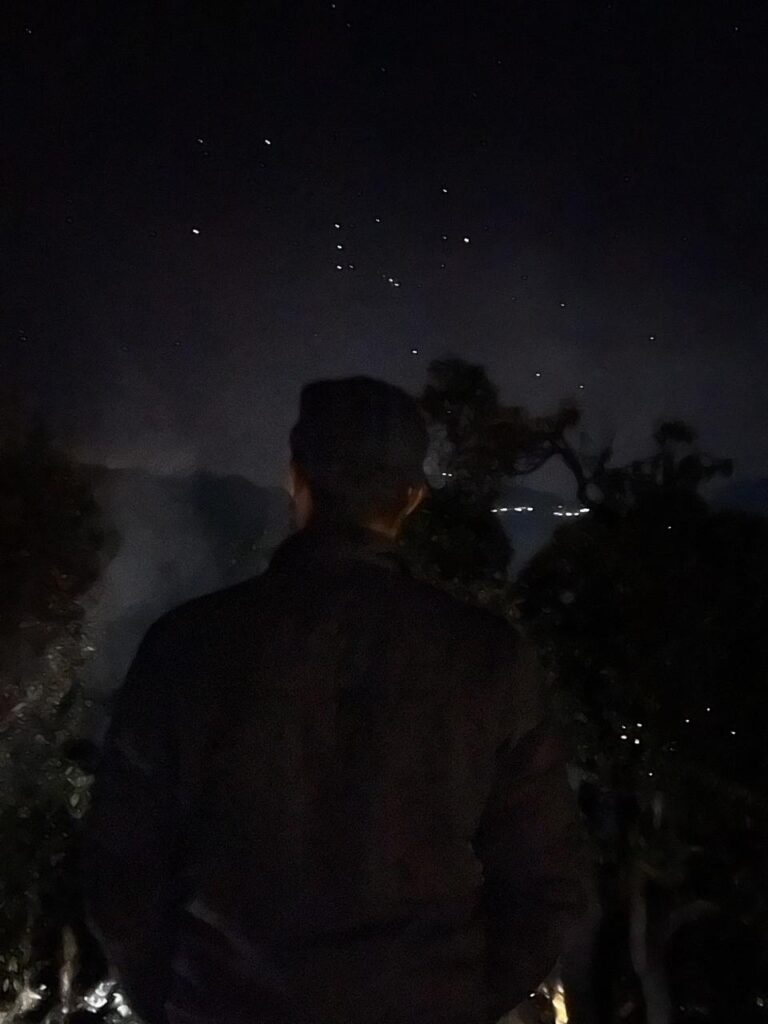
Chopta is not just about daytime treks and meadows; it is equally magical at night when the sky transforms into a dazzling canvas of stars. The high-altitude location, minimal light pollution, and crisp mountain air make it one of the best places in Uttarakhand for astrophotography. Travelers booking a Chopta Tour Package from Delhi often plan overnight stays here specifically to capture the Milky Way and star trails above the Himalayan peaks.
Why Chopta is Perfect for Night Sky Photography
The open meadows and surrounding forests create a natural observatory for stargazers and photographers.
-
Clear visibility of constellations and the Milky Way.
-
Snow-covered peaks like Chaukhamba serve as dramatic backdrops.
-
Perfect conditions for long-exposure photography.
Tips for Astrophotography in Chopta
Capturing the night skies requires preparation and patience.
-
Carry a sturdy tripod to avoid shaky frames.
-
Use wide-angle lenses with a fast aperture (f/2.8 or lower).
-
Opt for manual focus and long-exposure settings.
-
Keep extra batteries as cold weather drains them quickly.
Best Spots and Timing for Star Photography
Certain locations around Chopta enhance the beauty of astrophotography.
-
Chopta meadows offer 360° panoramic views of the sky.
-
Campsites near Tungnath trail provide excellent vantage points.
-
Late winter and summer months are best for clear skies.
Astrophotography in Chopta is an unforgettable experience for travelers who love blending adventure with creativity. With the right planning, every click under the Himalayan night sky becomes a timeless memory.
Essential Camera Gear for Chopta and Tungnath Treks
Trekking through Chopta and the Tungnath trail offers some of the most breathtaking Himalayan landscapes, and having the right camera gear can make all the difference in capturing these moments. Whether you are an amateur photographer or a seasoned professional, preparing your equipment ensures that every sunrise, sunset, and panoramic view is preserved perfectly.
Cameras and Lenses
-
DSLR or Mirrorless Camera – Ideal for high-quality landscape shots and low-light conditions.
-
Wide-Angle Lens – Perfect for capturing sweeping mountain views and meadows.
-
Telephoto Lens – Essential for photographing wildlife and distant peaks.
-
Compact Camera or Smartphone – Handy for quick shots and travel convenience.
Accessories for Stability and Flexibility
-
Tripod – A lightweight, sturdy tripod is crucial for long-exposure shots, especially during sunrise, sunset, or astrophotography sessions.
-
Extra Batteries – Cold weather drains batteries quickly, so carry spares fully charged.
-
Memory Cards – Bring multiple high-capacity cards to store your photos without running out of space.
-
Lens Cleaning Kit – Dust, fog, or rain can affect lens quality; a small cleaning kit helps maintain clarity.
Additional Gear for Safety and Convenience
-
Camera Backpack – Protects your gear while keeping it accessible during treks.
-
Weather Protection – Rain covers and lens hoods help safeguard your camera in unpredictable mountain weather.
-
Filters – Polarizing filters reduce glare and enhance colors for landscapes.
Carrying the right camera gear ensures that your Chopta and Tungnath treks are captured in the best possible light, from vibrant meadows to snow-capped peaks. Proper preparation allows photographers to focus on creativity while enjoying the adventure without worrying about equipment limitations.
Ethical Photography & Respecting Local Culture
Photography in Chopta is a wonderful way to capture its natural beauty, local life, and Himalayan adventures. However, it is important to practice ethical photography to respect the environment, culture, and people. Whether you are following a Chopta itinerary for family trips or adventure treks, being mindful of your approach ensures a positive experience for both you and the locals.
Respecting People and Traditions
When photographing local villages or festivals, it’s essential to maintain respect and sensitivity.
-
Always ask permission before taking close-up shots of villagers or children.
-
Avoid photographing religious rituals or ceremonies without consent.
-
Show respect for personal space and cultural practices.
Environment-Friendly Photography Practices
Chopta’s fragile ecosystem requires responsible behavior from visitors.
-
Stick to designated trails and avoid disturbing wildlife or plants.
-
Do not leave behind trash, props, or equipment that could harm the environment.
-
Use natural light and avoid flash when photographing wildlife.
Photography Tips for Families and Trekkers
Families and trekkers following Chopta family tour or Chopta trekking packages can capture memories while maintaining ethics:
-
Focus on scenic landscapes and cultural elements rather than intrusive shots of locals.
-
Encourage children to learn about local traditions while photographing respectfully.
-
Capture group moments and candid interactions without disrupting daily life.
Planning with Ethical Awareness
When booking Chopta tour packages, consider itineraries that include cultural immersion and wildlife observation with minimal impact. Ethical photography enhances your experience while preserving Chopta’s charm for future visitors.
By following these simple guidelines, photographers can create beautiful, meaningful images while respecting the people, traditions, and natural environment of Chopta. This approach ensures that your memories are not just visually stunning but also ethically responsible.
Conclusion – Creating Timeless Memories from Chopta to Chandrashila
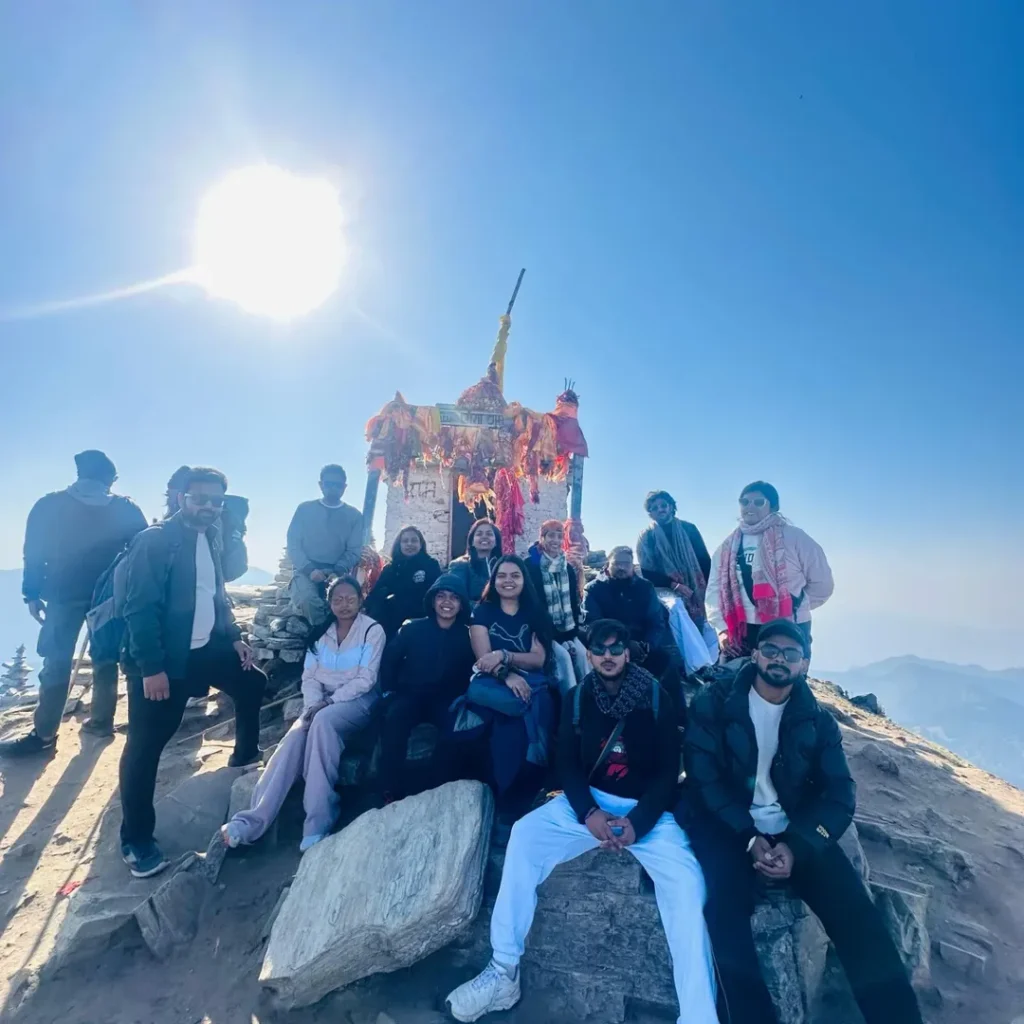
A journey from Chopta to Chandrashila is more than just a trek—it is an experience that blends adventure, culture, and natural beauty. Every moment, from the lush meadows of Chopta to the panoramic views atop Chandrashila, offers an opportunity to create lasting memories. For those planning the Tungnath Chandrashila Trek from Delhi, this route is ideal for capturing the essence of the Garhwal Himalayas while enjoying a spiritually enriching journey.
Highlights That Make the Trek Unforgettable
The trek is packed with experiences that stay with you long after the journey ends:
-
Stunning Landscapes – Rolling meadows, dense forests, and snow-capped peaks provide countless photo opportunities.
-
Cultural Encounters – Ancient temples like Tungnath and local village interactions bring depth to your travel experience.
-
Wildlife and Flora – Observing Himalayan birds, musk deer, and colorful wildflowers adds a touch of natural wonder.
Tips to Maximize Your Experience
-
Start early to catch the sunrise from Chandrashila for breathtaking views.
-
Carry a camera or smartphone with extra batteries for long exposures and scenic shots.
-
Take short breaks to enjoy and document the journey rather than rushing through the trek.
-
Respect local traditions, environment, and fellow trekkers to enhance the overall experience.
Why This Journey is Special
Combining physical adventure with cultural and natural exploration, the Chopta to Chandrashila trek offers more than just sightseeing. It allows travelers to connect with the mountains, experience local life, and create visual stories that last a lifetime. Whether you are a photographer, a nature lover, or someone seeking peace amidst the Himalayas, this trek provides memories that are both vivid and deeply personal.
With careful planning, a sense of adventure, and a spirit of respect, your trek from Chopta to Chandrashila becomes a collection of timeless moments, ensuring your Himalayan journey is truly unforgettable.
Frequently asked questions
1. What is the difficulty level of the Chopta Tungnath trek?
The Chopta Tungnath trek is considered beginner-friendly, with an easy to moderate difficulty level.
2. How long is the trek from Chopta to Tungnath?
The trek from Chopta to Tungnath is approximately 3.5 km one way, making it a manageable distance for most trekkers.
3. Can beginners undertake the Chandrashila trek?
Yes, the Chopta Chandrashila trek is suitable for beginners due to its moderate difficulty and well-marked trails.
4. What is the best time to visit Chopta for trekking?
The ideal times to visit Chopta are from March to June and September to November, offering pleasant weather and clear skies.
5. Is the Chopta Tungnath trek safe for solo female travelers?
Yes, the trek is considered safe for solo female travelers, with many operators ensuring safety and providing single accommodations if needed.
6. Are there any accommodation options in Chopta?
Yes, Chopta offers various accommodation options, including guesthouses and campsites, suitable for different budgets.
7. What should I pack for the Chopta Tungnath trek?
Essential items include trekking shoes, layered clothing, a water bottle, a walking stick, dry snacks, and a sleeping bag.
8. Is there mobile network connectivity in Chopta?
Mobile network connectivity is limited in Chopta, so it's advisable to inform family or friends in advance about your travel plans.
9. What is the elevation of Tungnath Temple?
Tungnath Temple is situated at an elevation of approximately 3,680 meters (12,073 feet) above sea level.
10. Can I undertake the trek without a guide?
While the trail is well-marked, hiring a guide is recommended for safety and to enhance the trekking experience, especially during winter months.
.jpg)