Spiti Valley, often referred to as the “Middle Land” between India and Tibet, is a high-altitude cold
desert in Himachal Pradesh that offers breathtaking landscapes, unique culture, and unforgettable
adventures. The best time to visit Spiti depends entirely on what you want to experience, but generally,
mid-May to mid-October is considered the prime travel window for most tourists.
Summer (Mid-May to Late June): This is when the valley fully opens up after the harsh
winter. Snow begins to melt, rivers flow vigorously, and roads connecting Manali–Kaza and Shimla–Kaza
become accessible. Day temperatures range from 15°C to 25°C, making it perfect for sightseeing,
photography, and exploring ancient monasteries like Key, Dhankar, and Tabo. Treks such as Dhankar Lake
or Pin Valley are also ideal during this time.
Monsoon (July to Early September): Technically, Spiti lies in a rain shadow region, so it
receives minimal rainfall compared to other Himalayan destinations. However, the approach
roads—especially from Manali—may face occasional landslides due to rain in surrounding areas. The valley
itself remains pleasantly dry, with dramatic cloud formations and fresh green patches against barren
mountains. This is a fantastic time for photographers who love moody skies and minimal tourist crowds.
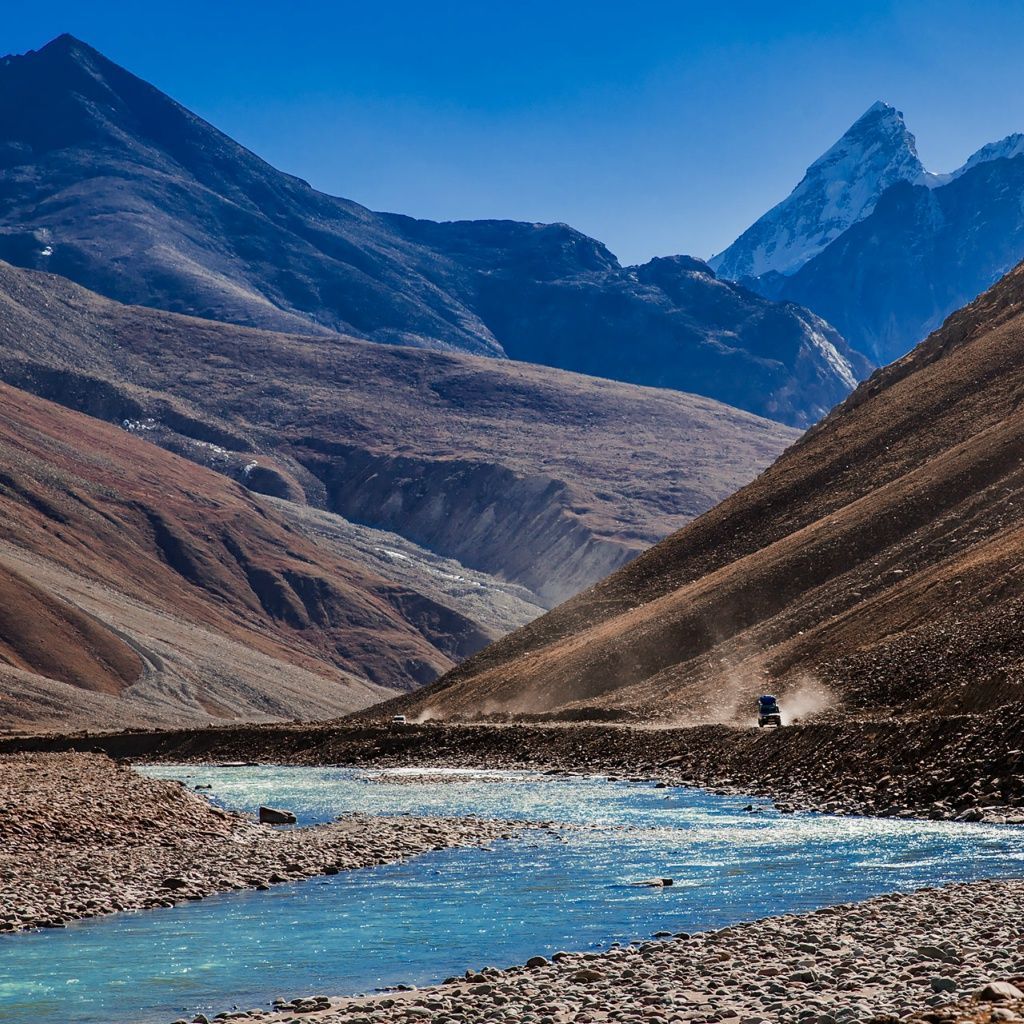
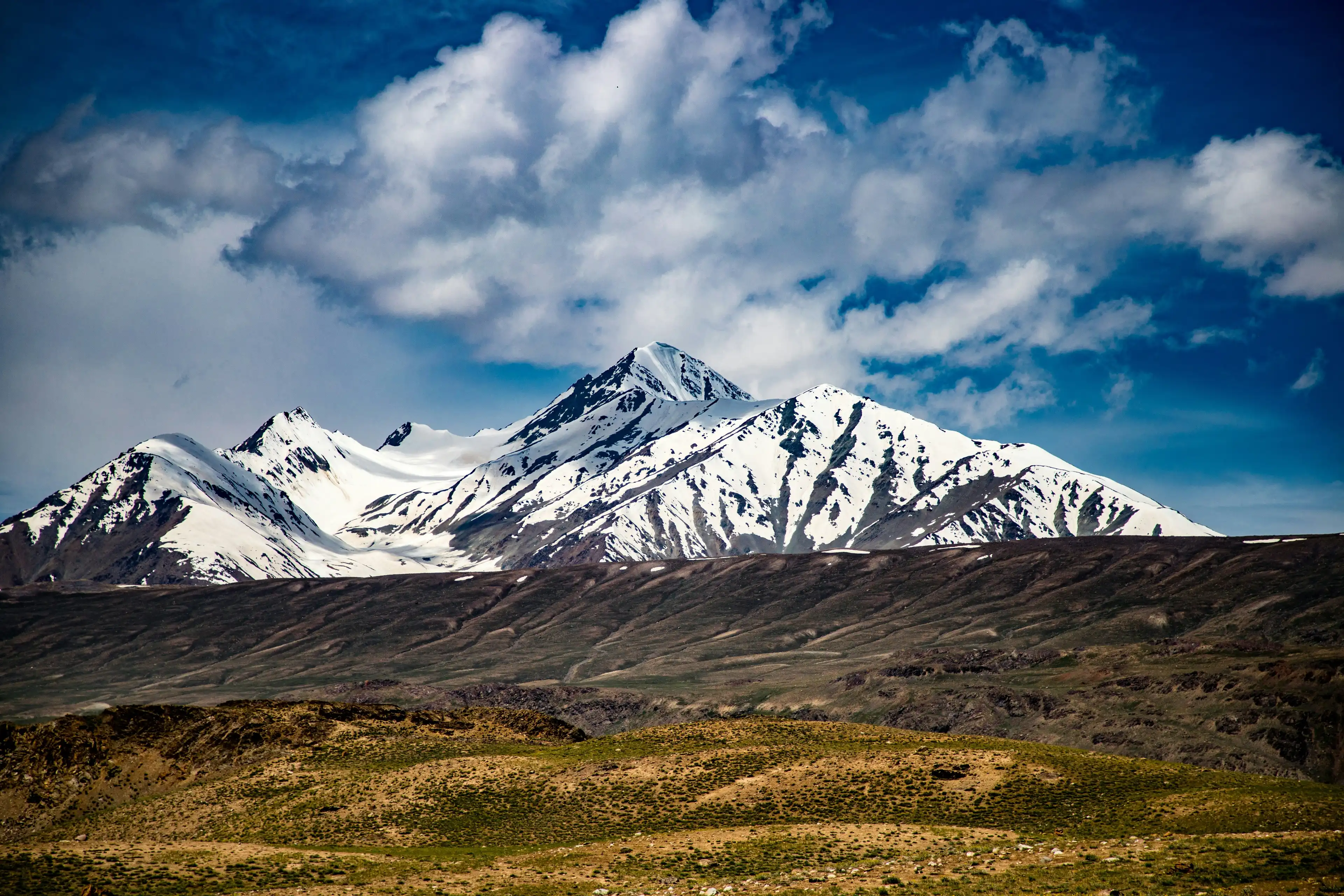
Autumn (Mid-September to Mid-October): Perhaps the most visually stunning season in
Spiti, autumn brings crystal-clear skies, golden-brown landscapes, and perfect visibility of snow-capped
peaks. Temperatures start to dip—days are around 10°C to 15°C, while nights can fall to -3°C. Treks are
still possible, and this is a peaceful time before the valley begins to shut down for winter.
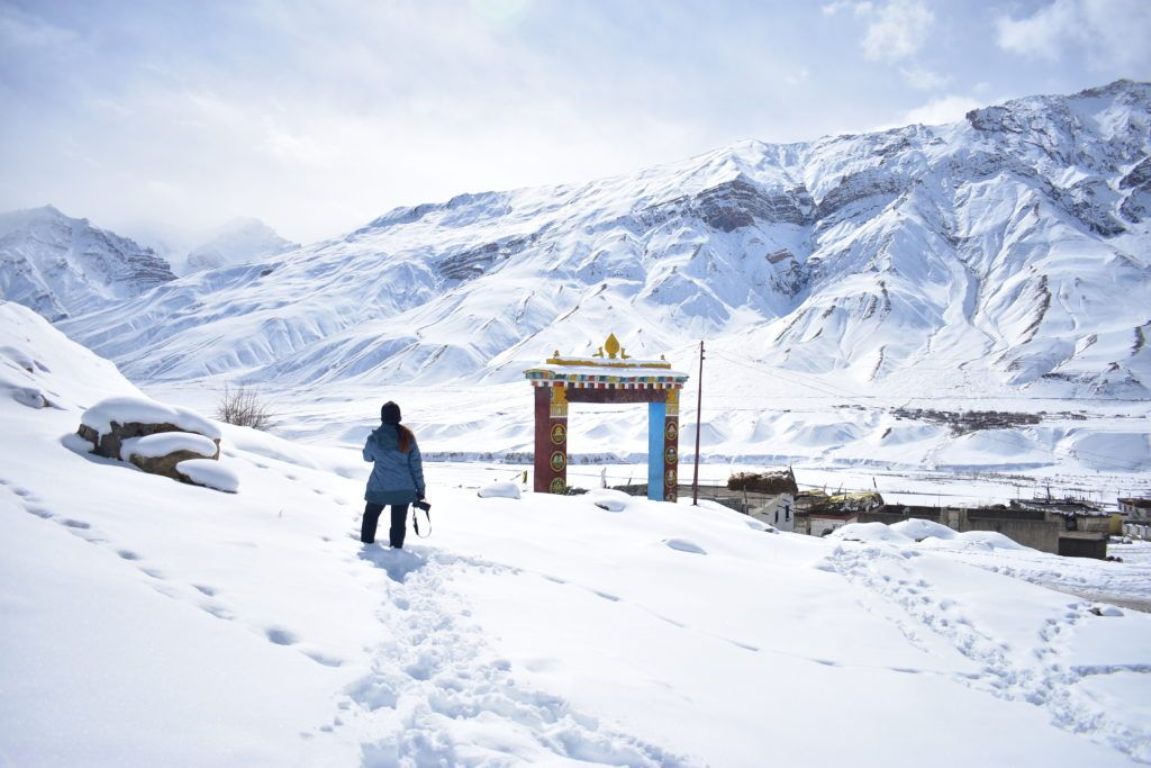
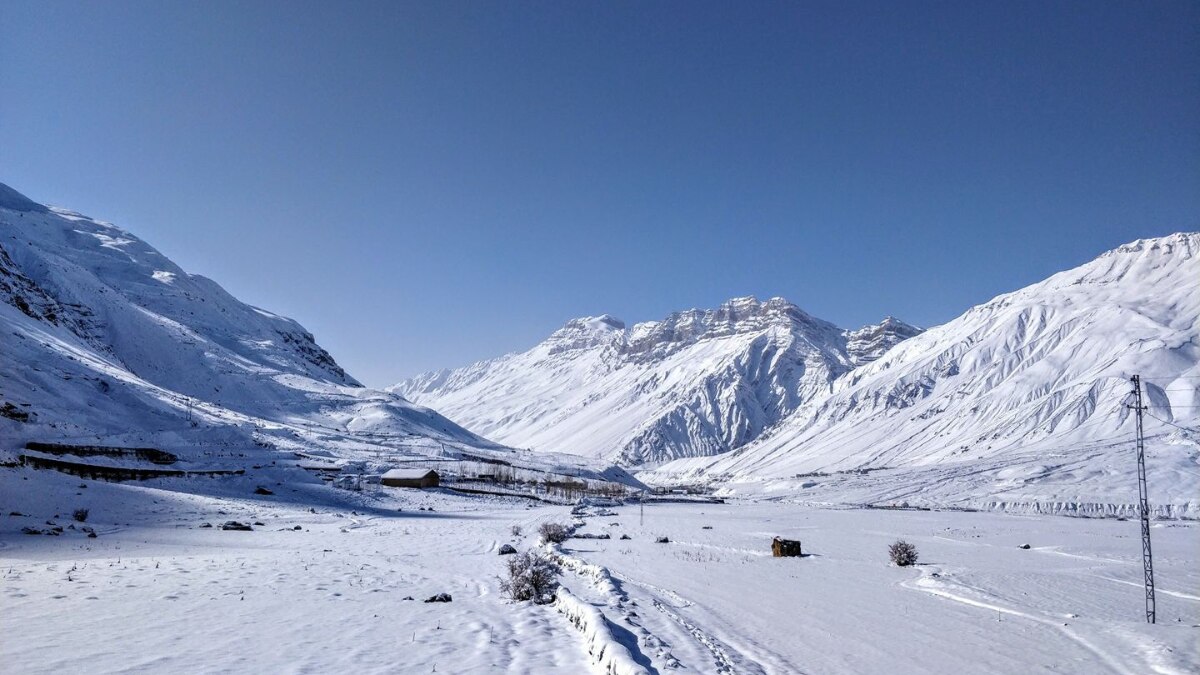
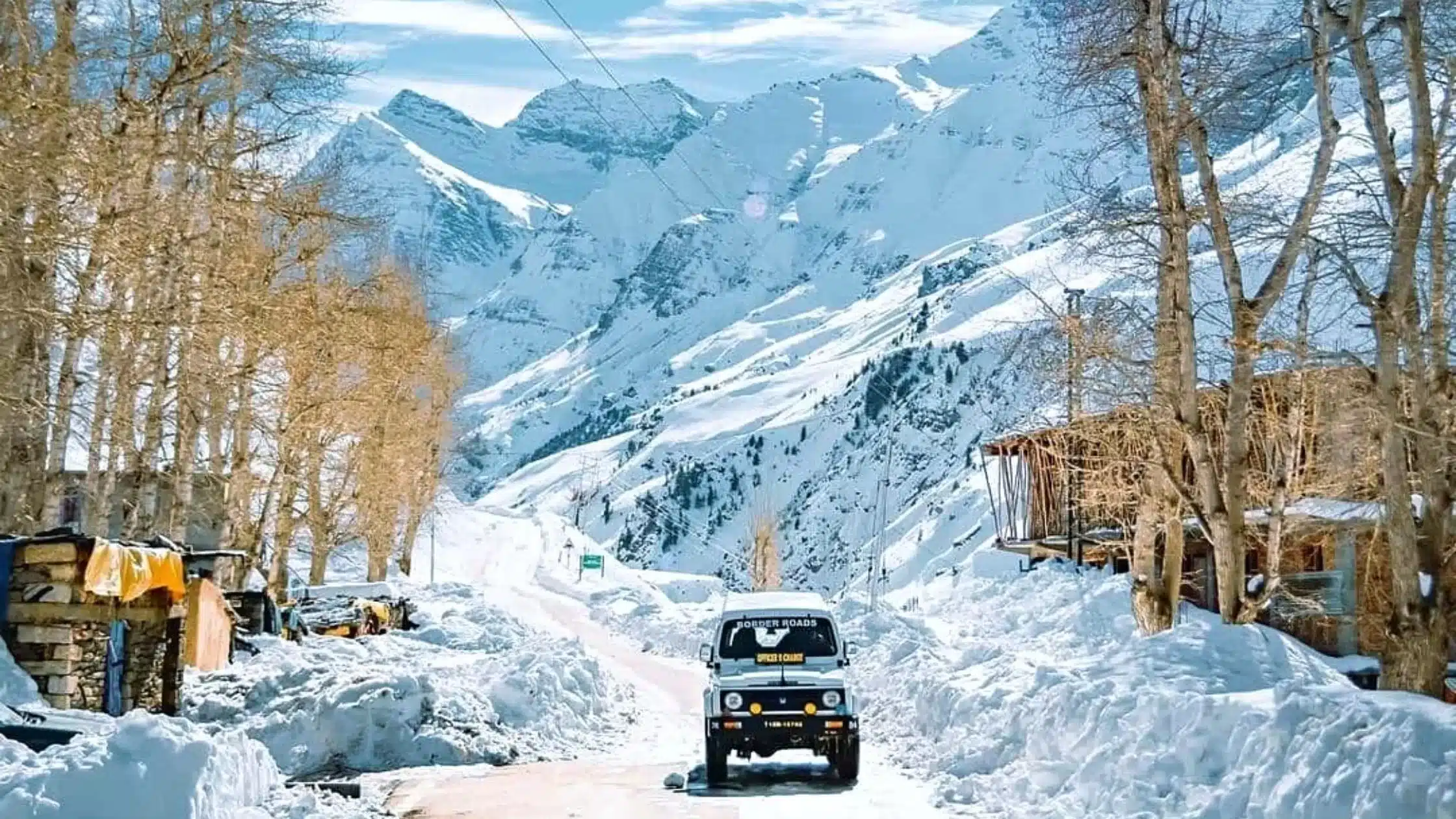
Winter (Late October to Mid-May): Spiti transforms into a remote, snow-covered
wonderland. While heavy snowfall blocks road access from Manali, the route from Shimla via Kinnaur
generally remains open for those ready to face extreme cold. Daytime temperatures hover around -5°C to
5°C, while nights can plummet to -20°C. Winter is perfect for those seeking solitude, snow leopard
expeditions, or authentic homestay experiences with locals. However, facilities are limited, and you
must be well-prepared for harsh conditions.
Travel Tips by Season:
- For Adventure Seekers: Summer and early autumn are best for high-altitude treks, camping, and
bike trips.
- For Cultural Enthusiasts: Visit in summer to attend local festivals like Ladarcha Fair and
explore monasteries without roadblocks.
- For Photographers: Monsoon skies and autumn light provide perfect conditions for stunning
landscape shots.
- For Wildlife Lovers: Winter months are the best for spotting rare snow leopards, but require
special arrangements.
Accessibility: The Manali–Kaza route generally opens in late May or early June and remains
functional till early October. The Shimla–Kaza road is open almost year-round, but heavy snow can still
cause delays in peak winter.
In conclusion, the best time to visit Spiti Valley largely depends on your priorities. If you want
comfortable weather, clear roads, and easy access to all attractions, choose mid-May to September. If you
prefer crisp skies and fewer tourists, mid-September to October is ideal. For extreme adventure, solitude,
and snow-covered vistas, winter is unbeatable—but it demands preparation and resilience. No matter when you
go, Spiti’s raw beauty, ancient culture, and serene atmosphere will ensure an unforgettable Himalayan
experience.
Reaching Spiti Valley from Delhi or nearby cities is an adventure in itself, offering two main routes
with
dramatically different landscapes and experiences. Whether you choose the route via Manali or the route
via
Shimla–Kinnaur, the journey takes you through some of India’s most stunning high-altitude roads.
1. Route via Manali – The Shorter but Seasonal Path
Distance: Around 730 km from Delhi to Kaza
Travel Time: 2–3 days depending on stops
This route is open only from late May/early June to early October due to heavy snowfall blocking the
Rohtang
Pass and Kunzum Pass in winter. The journey starts from Delhi towards Manali (approx. 12–14 hours by
road).
After acclimatizing in Manali for a day to avoid altitude sickness, travelers head towards Kaza,
crossing
Rohtang Pass (3,978 m) and Kunzum Pass (4,551 m). Along the way, you can witness breathtaking valleys,
glaciers,
and remote villages like Losar. Shared taxis, private cabs, and Himachal Road Transport Corporation
(HRTC) buses
operate during the open season.
Pros: Shorter travel distance, high-adrenaline mountain passes, and stunning vistas in
just one
day from Manali to Kaza.
Cons: Limited seasonal access, sudden weather changes, and high-altitude gain in a short span
which can
cause AMS (Acute Mountain Sickness).
2. Route via Shimla – Kinnaur – The Year-Round Scenic Drive
Distance: Around 750–780 km from Delhi to Kaza
Travel Time: 2–3 days depending on stops
This route remains open almost all year and is preferred during winter months when the Manali side is
closed.
From Delhi, you travel to Shimla (8–9 hours), then pass through towns like Narkanda, Rampur, Reckong
Peo, and
Nako before reaching Kaza. The gradual ascent helps in better acclimatization, and the road runs
parallel to the
Sutlej and Spiti rivers. While winter can bring occasional closures due to heavy snowfall between
Reckong Peo
and Kaza, the route is generally more reliable.
Pros: Gradual altitude gain, open for most of the year, diverse landscapes from apple
orchards to
barren mountains.
Cons: Slightly longer journey, occasional landslides in monsoon.
Travel by Road:
Most travelers prefer private vehicles or rented SUVs for flexibility and comfort. Self-driving gives
you the
freedom to stop at viewpoints, monasteries, and villages along the way. However, ensure your vehicle is
in top
condition as fuel stations are sparse—last major pumps are at Manali and Reckong Peo. Public transport
options
include HRTC buses and shared taxis, which are budget-friendly but less flexible.
Travel by Air:
The nearest airport to Spiti is at Bhuntar (near Kullu) for the Manali route and Jubbarhatti (near
Shimla) for
the Shimla route, but both have limited connectivity. A more practical option is Chandigarh Airport,
which is
well-connected to major Indian cities. From there, you can hire a taxi or take a bus to Manali or
Shimla, then
proceed to Spiti.
Travel by Train:
There is no direct train to Spiti Valley. The nearest railway station for the Shimla route is Kalka
(linked to
Delhi by trains like the Shatabdi Express), from where you can take the Kalka–Shimla toy train or drive
directly. For the Manali route, Joginder Nagar is the nearest station, though road connections are still
lengthy
from there.
Best Way to Plan:
Many travelers prefer doing a circuit—entering Spiti via Shimla for gradual acclimatization and exiting
via
Manali for a thrilling finale, or vice versa in summer months. Always check road conditions before
departure,
as landslides, snow, and weather changes can cause unexpected delays.
In conclusion, whether you take the rugged Manali–Kaza route or the all-season Shimla–Kinnaur
route,
reaching Spiti Valley is part of the adventure. The journey offers mesmerizing scenery, from lush green
valleys
to stark high-altitude deserts, and sets the tone for the raw beauty and cultural richness that awaits
in the
“Middle Land.”
Spiti Valley, with its surreal landscapes and ancient culture, is home to numerous attractions that are
as
breathtaking as they are unique. From centuries-old monasteries perched on cliffs to high-altitude
villages
frozen in time, each destination offers a glimpse into the mystical charm of this “Middle Land.”
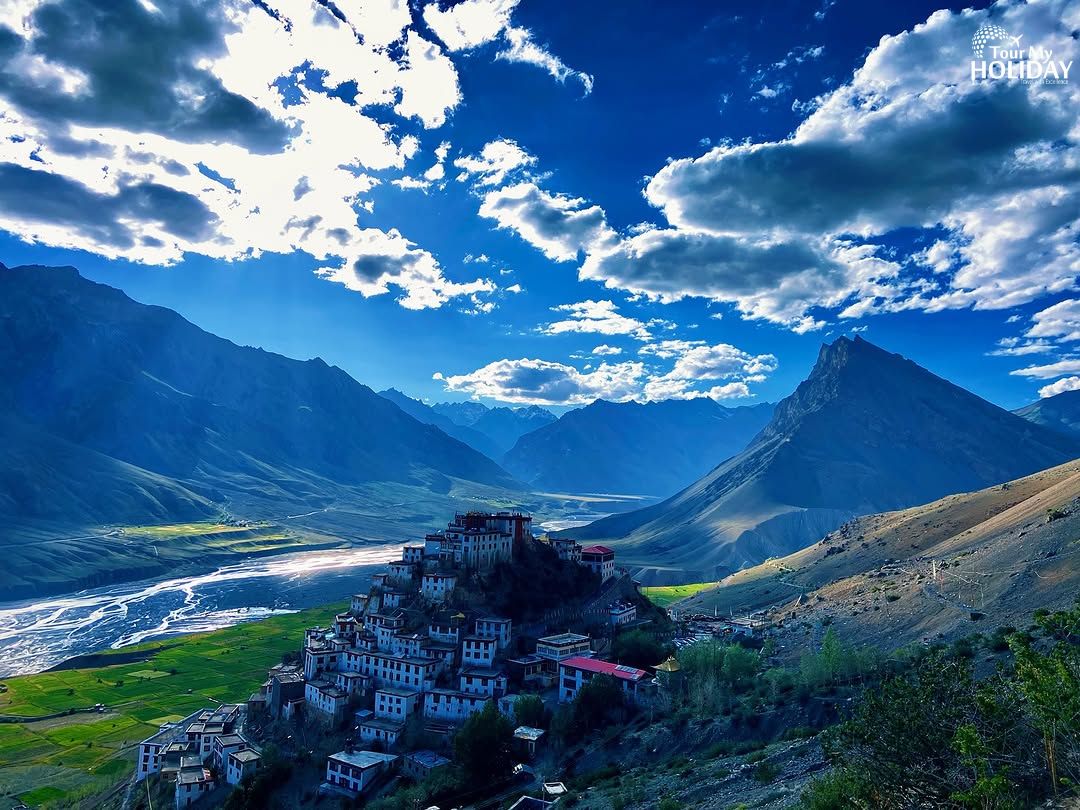
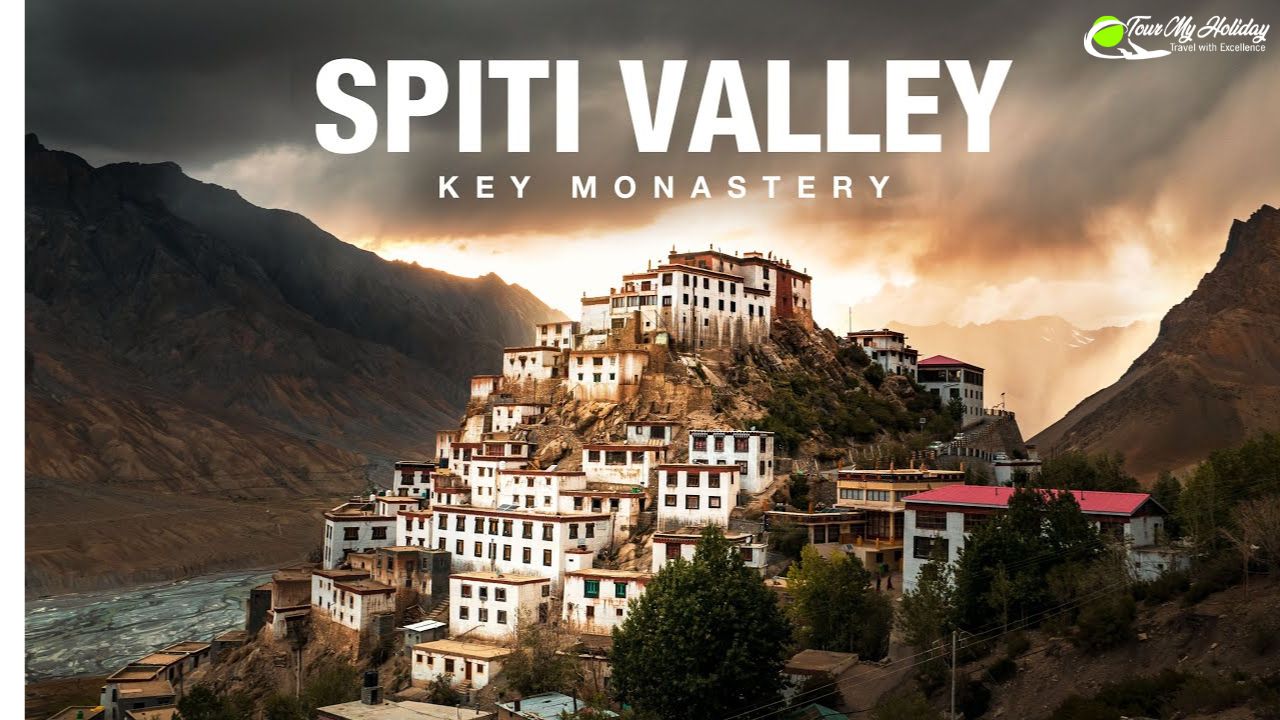
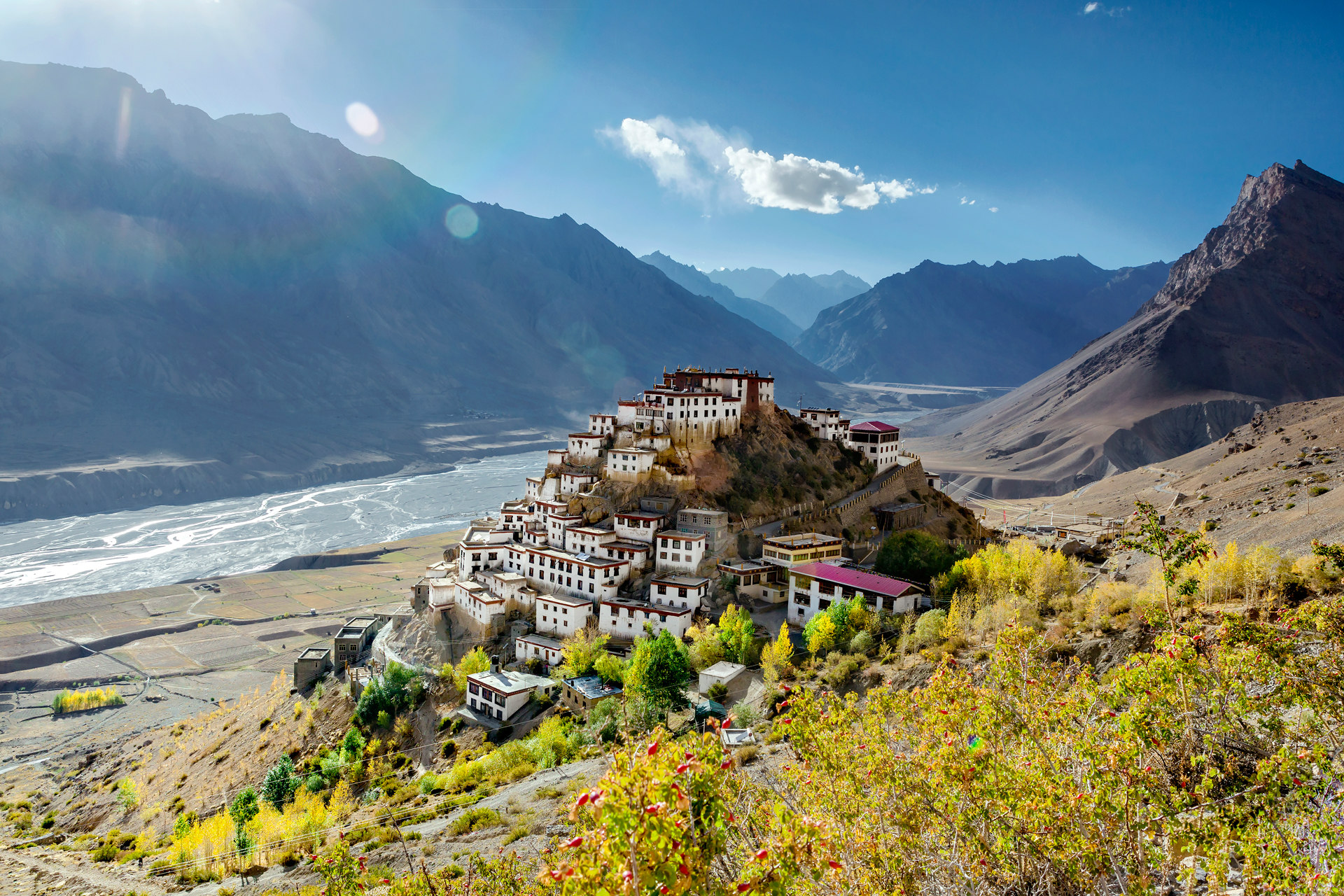
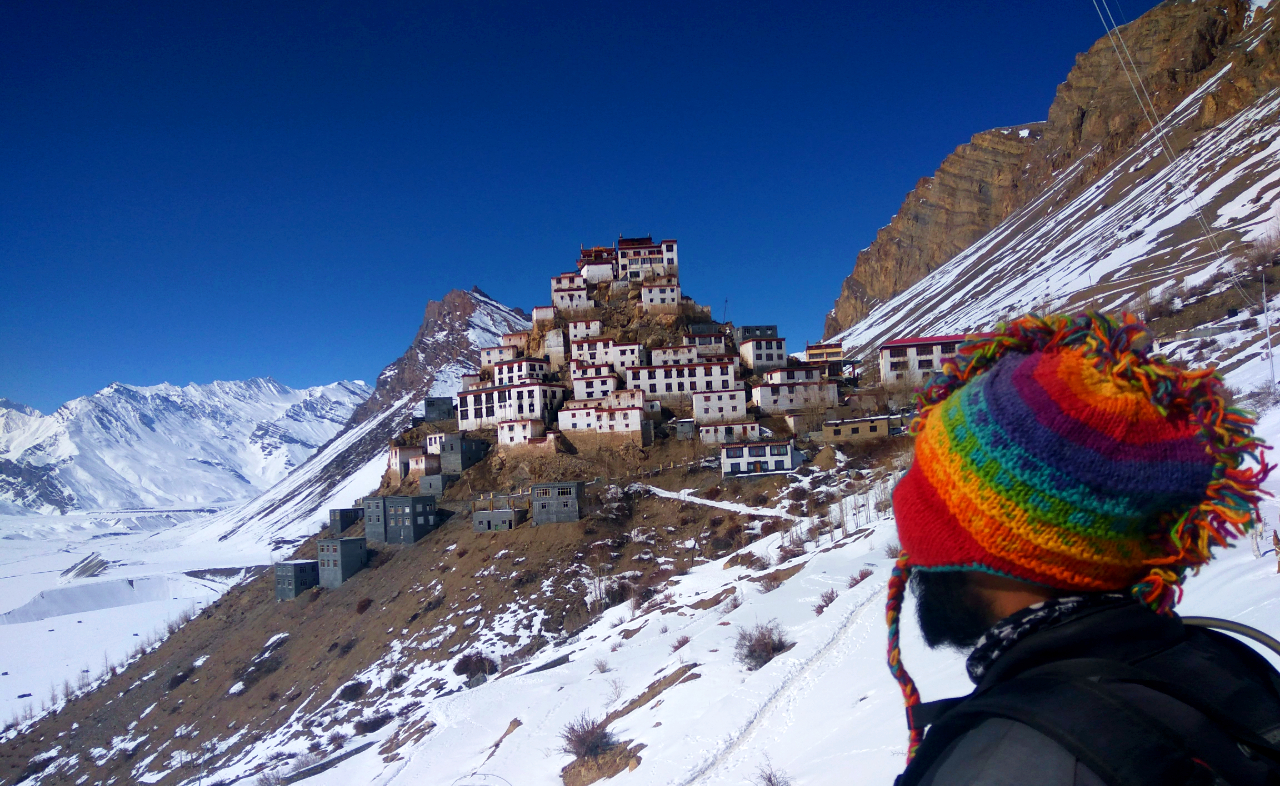
1. Key Monastery (Kye Gompa)
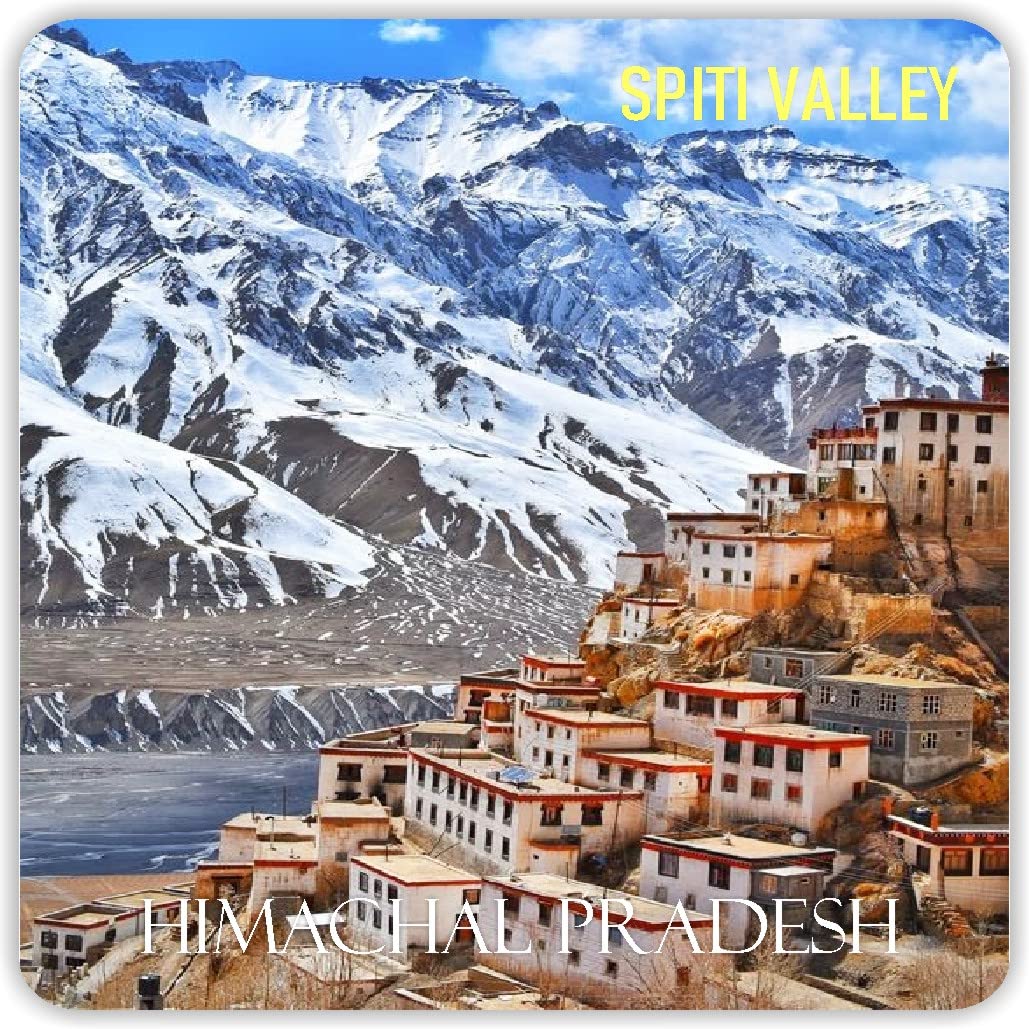
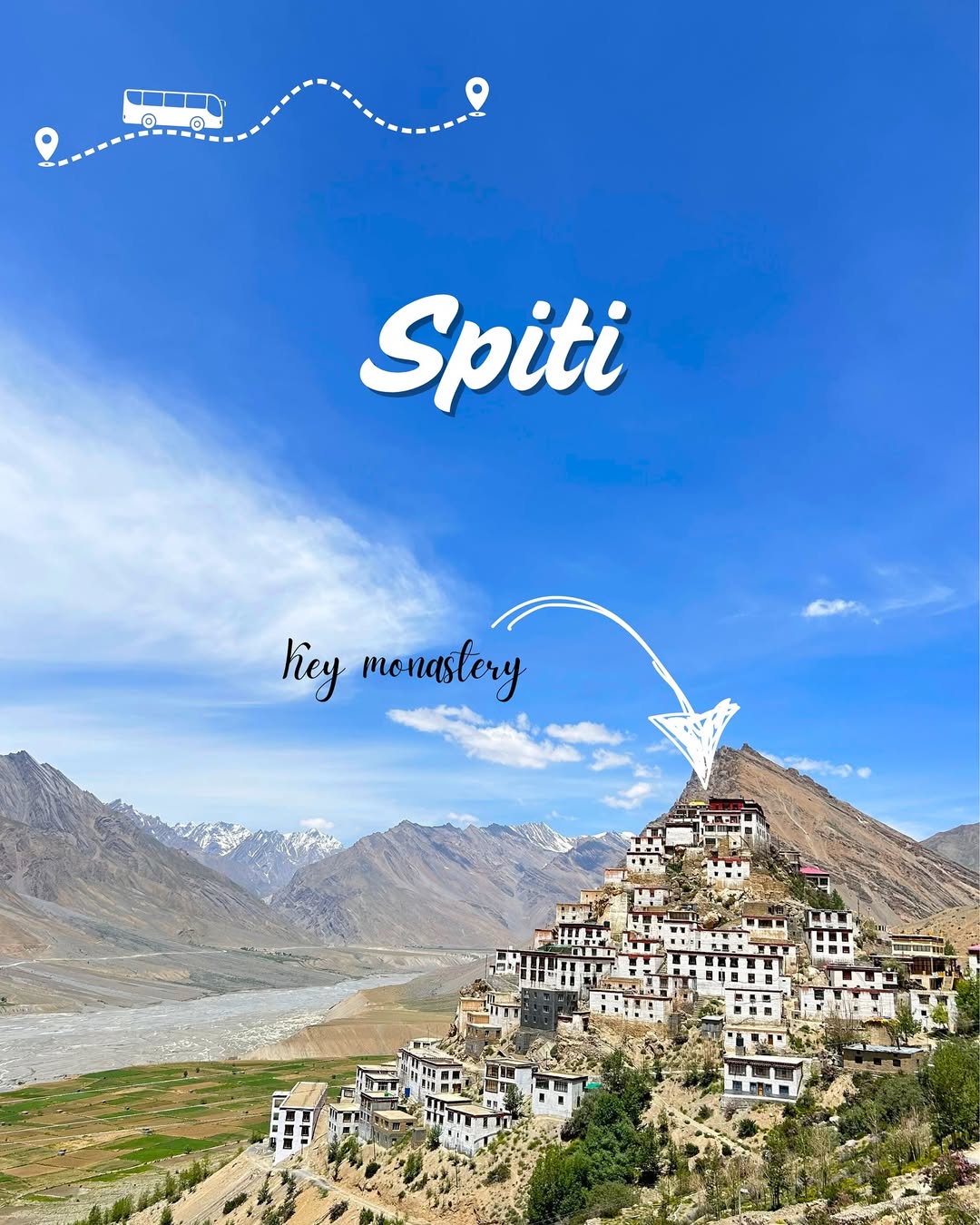
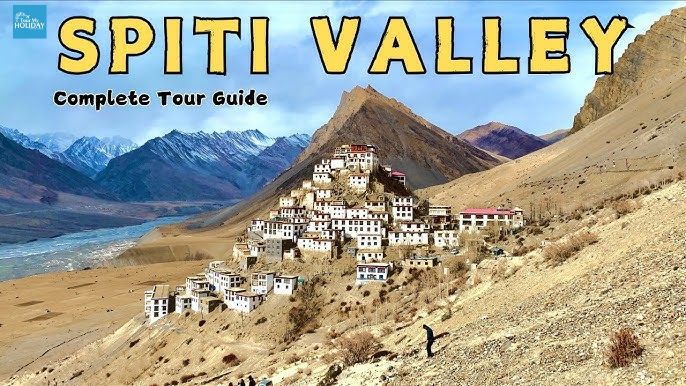
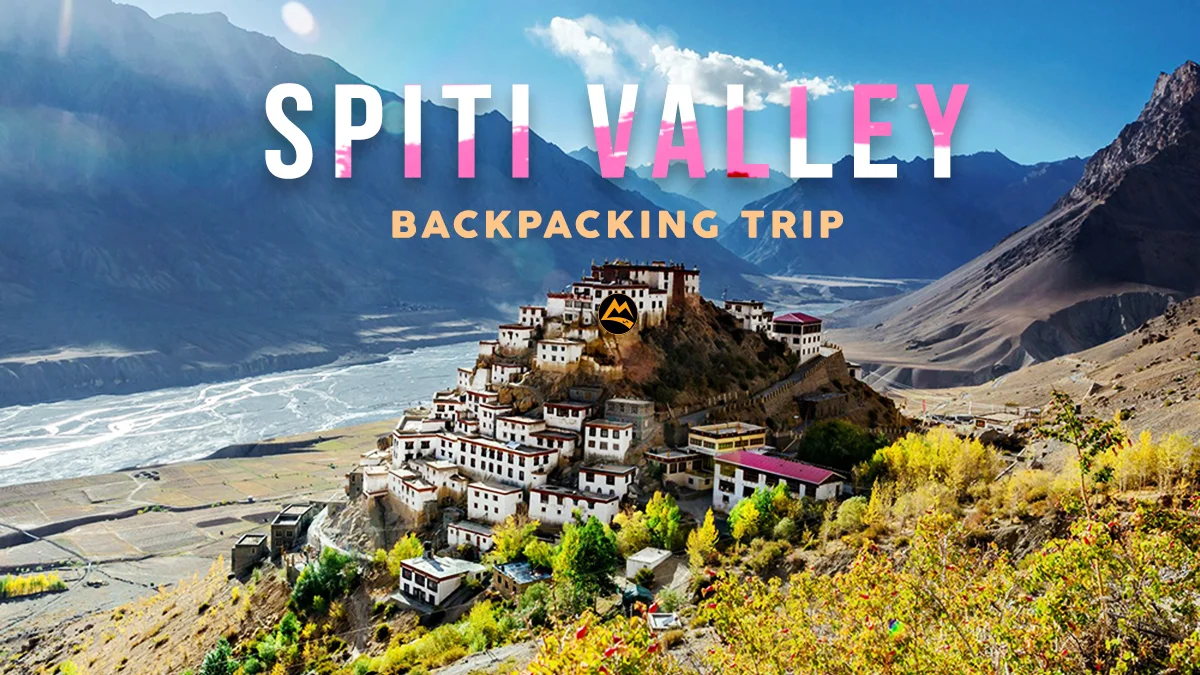
The largest monastery in Spiti, Key Gompa sits at an altitude of 4,166 meters, overlooking the Spiti
River.
This 1,000-year-old Tibetan Buddhist monastery is a center for learning and meditation. Its labyrinth of
rooms,
rare manuscripts, and stunning murals make it a must-visit. The panoramic view from here, especially at
sunset,
is unforgettable.
2. Kibber Village
Once known as the highest motorable village in the world, Kibber lies at 4,270 meters and offers
striking views
of surrounding mountains and valleys. It’s the base for the Kibber Wildlife Sanctuary, home to snow
leopards,
ibex, and blue sheep. Traditional stone houses here blend beautifully with the barren landscape.
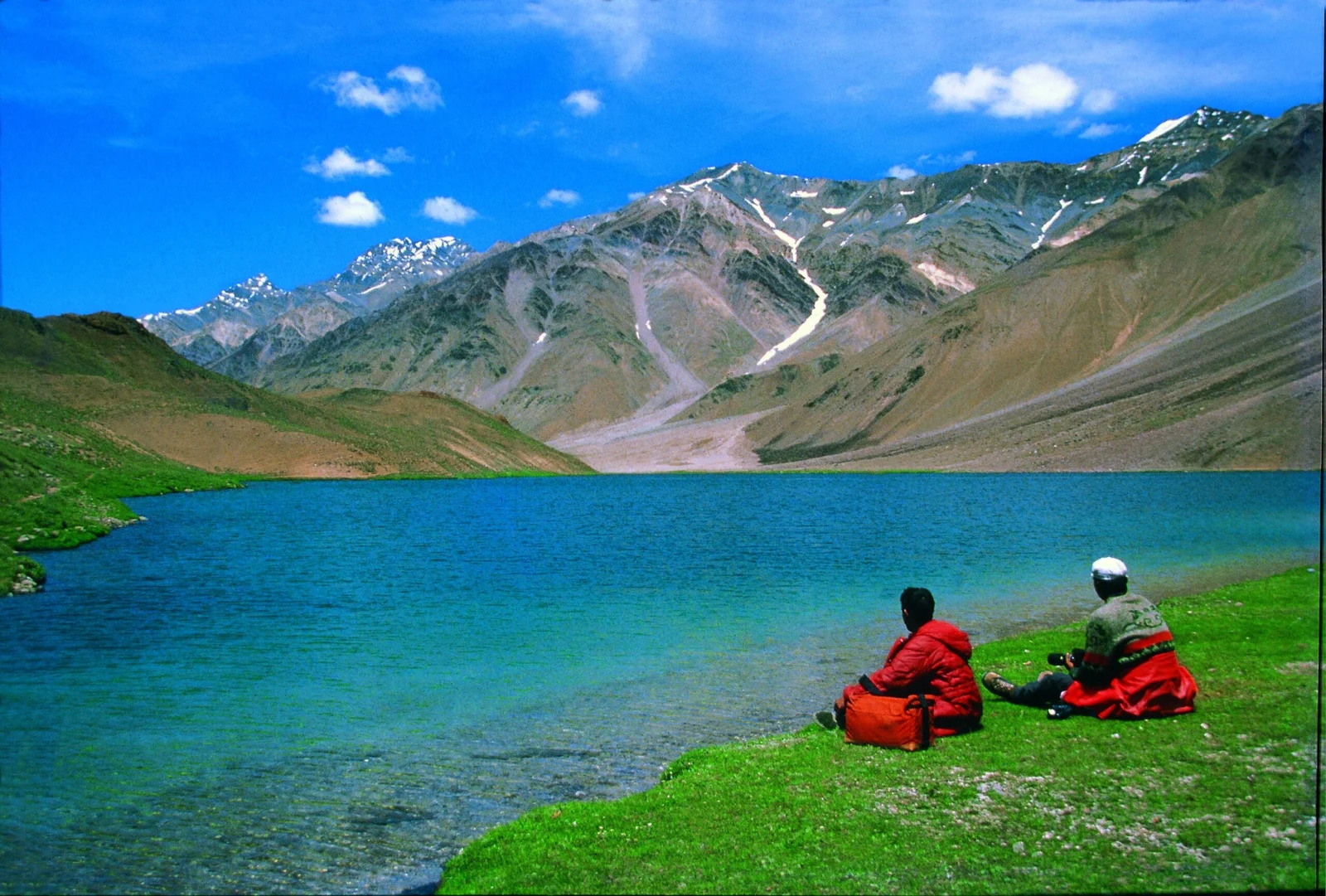
3. Chandratal Lake
Known as the “Moon Lake,” this high-altitude glacial lake is located at 4,300 meters near Kunzum Pass.
Its
crystal-clear blue waters reflect the surrounding peaks, creating a magical sight. Accessible from Batal
via a
short trek, it’s a popular spot for camping under star-studded skies.
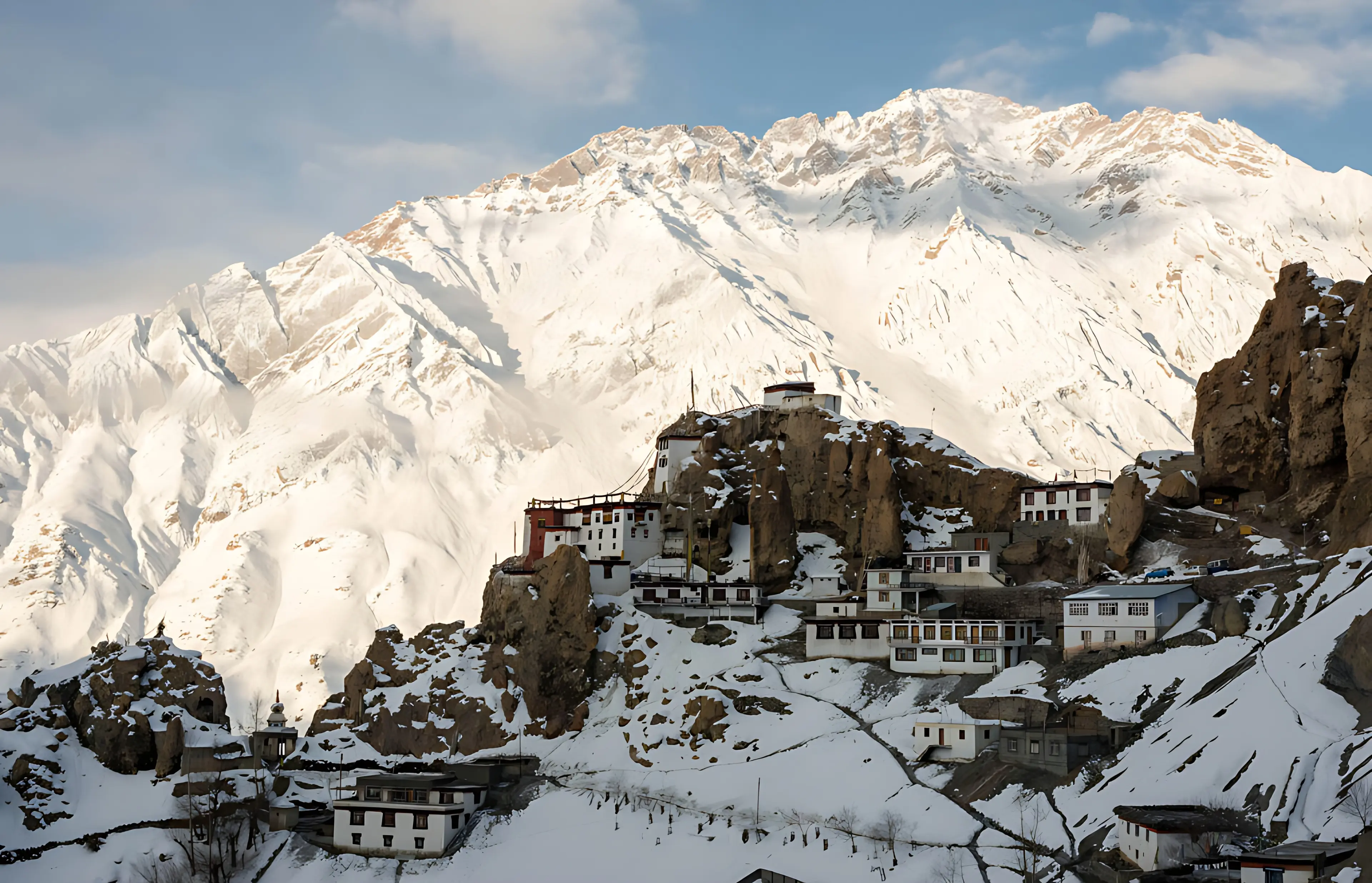
4. Dhankar Monastery & Lake
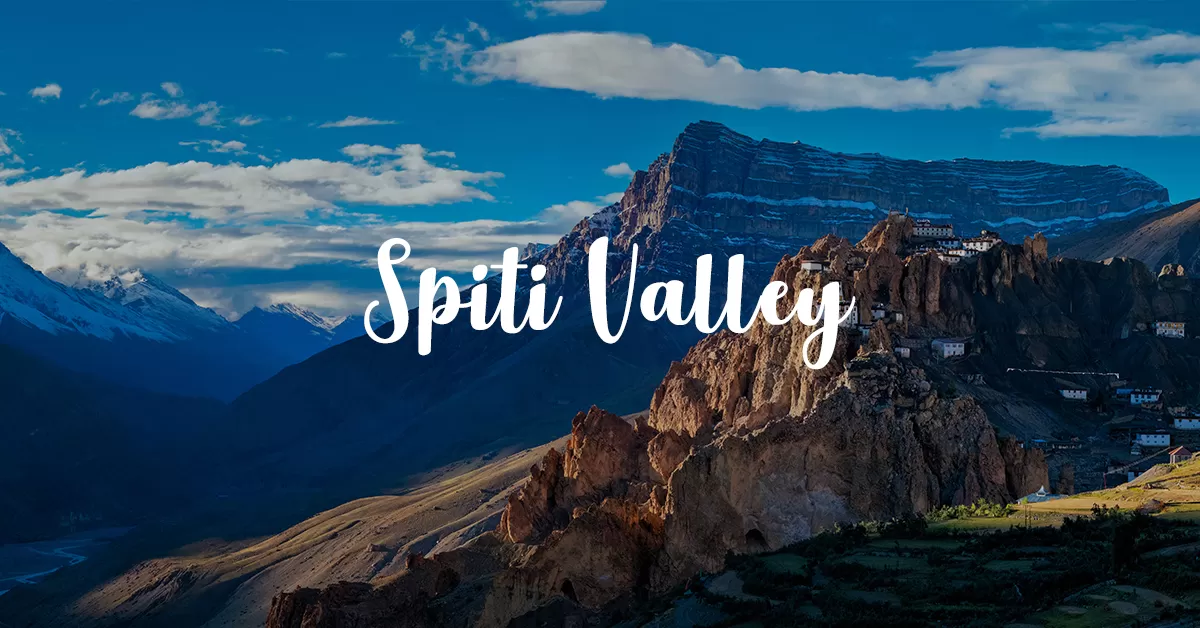
Perched precariously on a cliff between Kaza and Tabo, Dhankar Monastery offers sweeping views of the
confluence
of the Spiti and Pin rivers. A short trek from here leads to the serene Dhankar Lake, surrounded by
rugged
mountains and perfect for quiet reflection.
5. Tabo Monastery
Often called the “Ajanta of the Himalayas,” Tabo Monastery is over 1,000 years old and a UNESCO World
Heritage
Site candidate. Its ancient mud-walled temples house priceless thangkas, frescoes, and scriptures. The
village
of Tabo itself is peaceful and offers insight into traditional Spitian life.
6. Pin Valley National Park
Known for its rich wildlife, including snow leopards, Siberian ibex, and Himalayan foxes, Pin Valley is
also
dotted with small villages and monasteries. The contrasting green patches against barren mountains make
it a
visual delight.
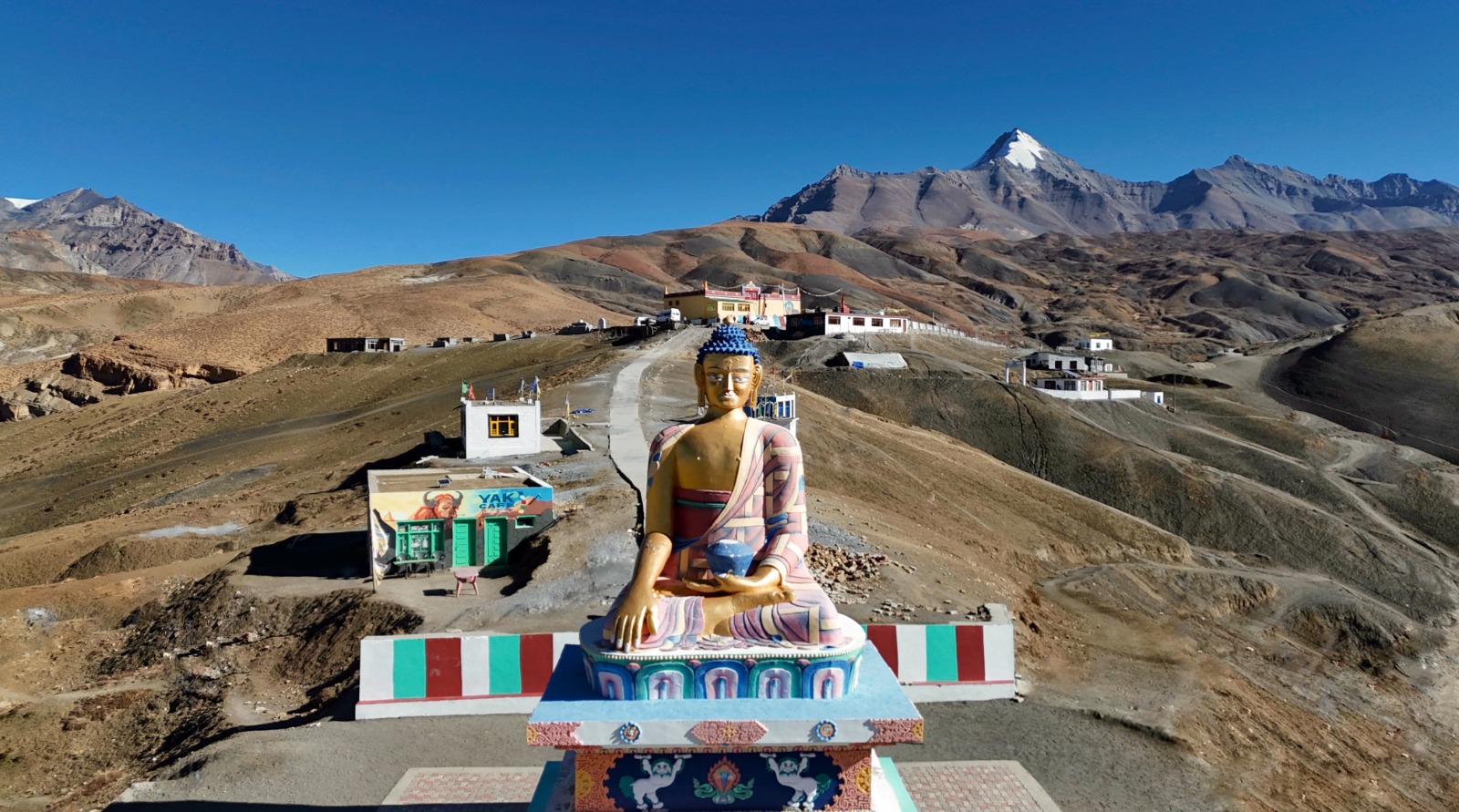
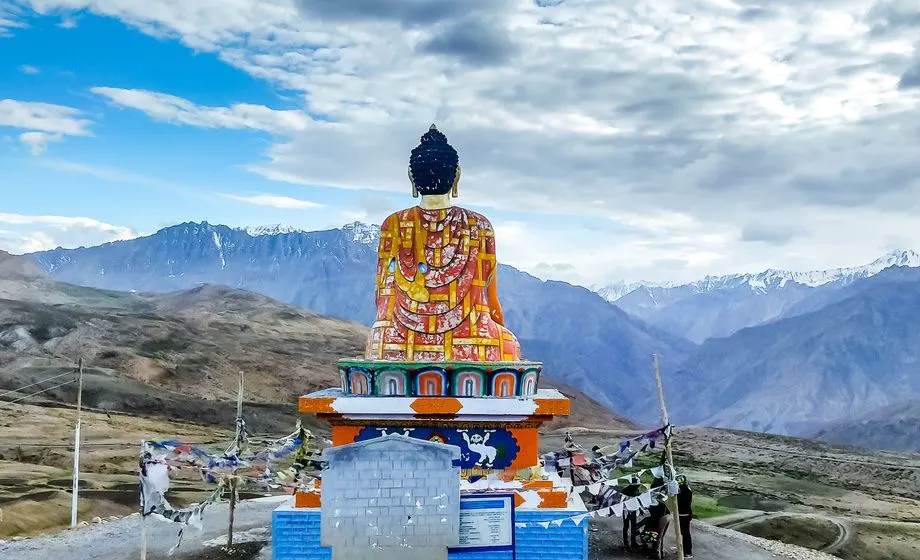
7. Langza Village
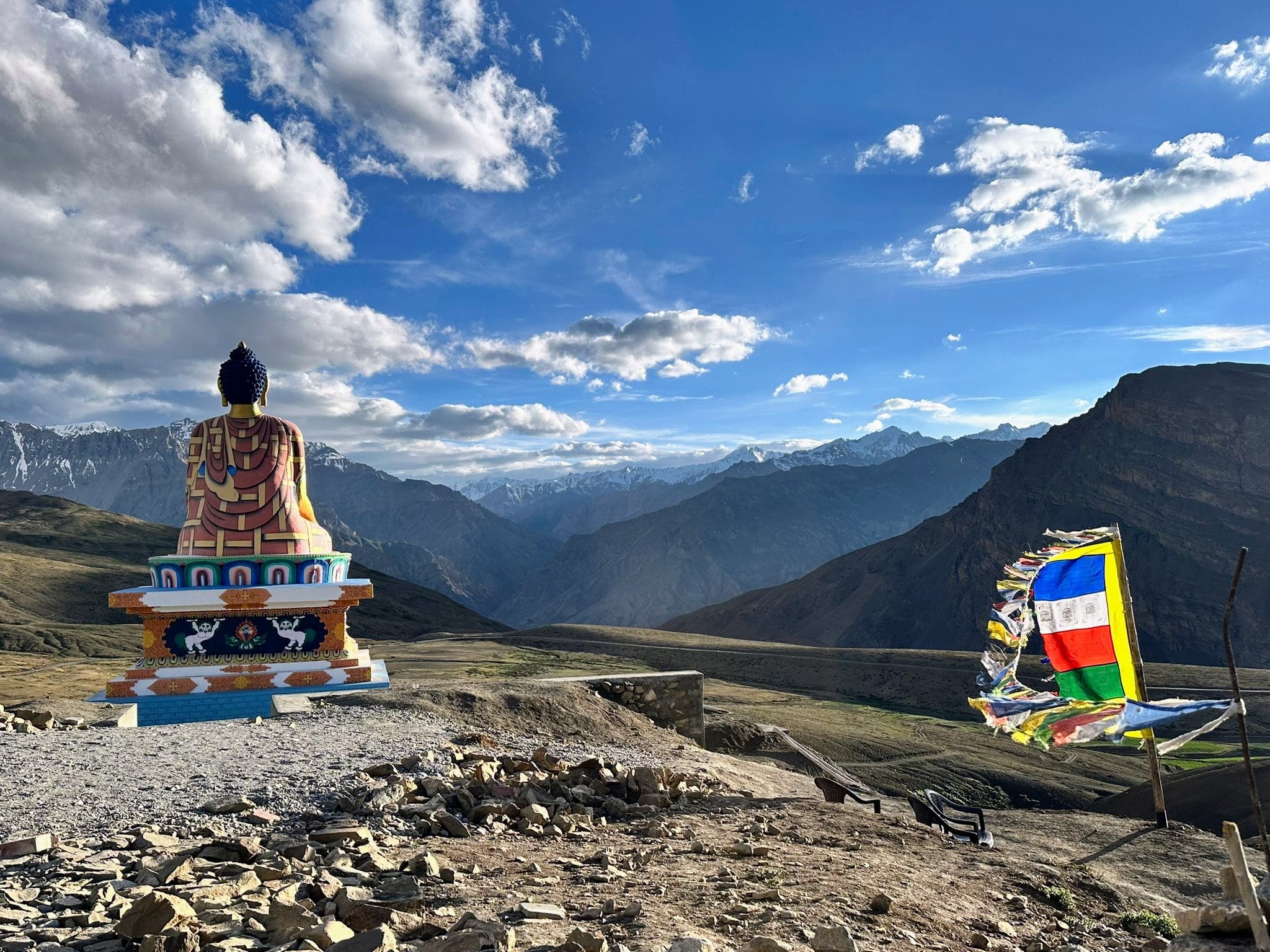
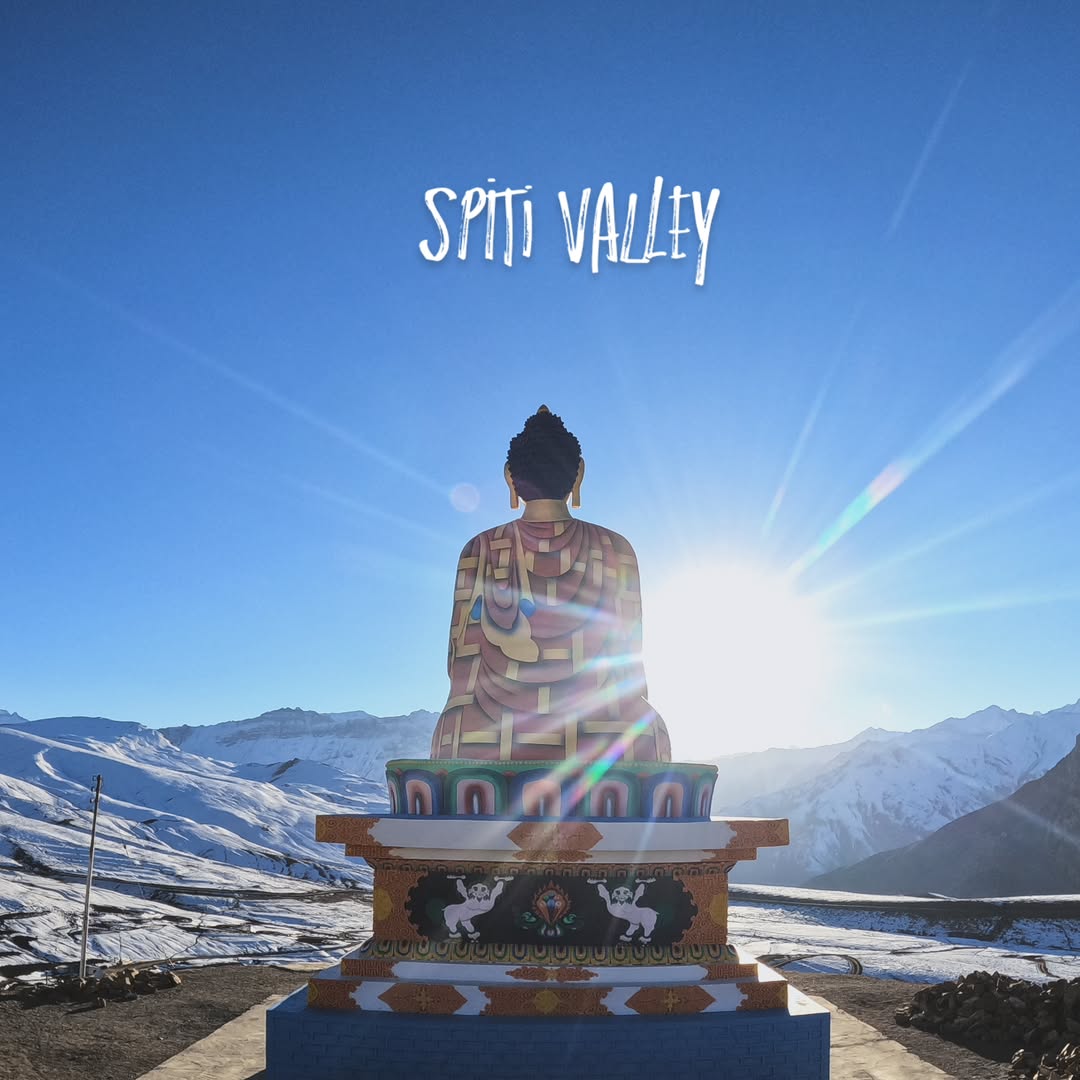
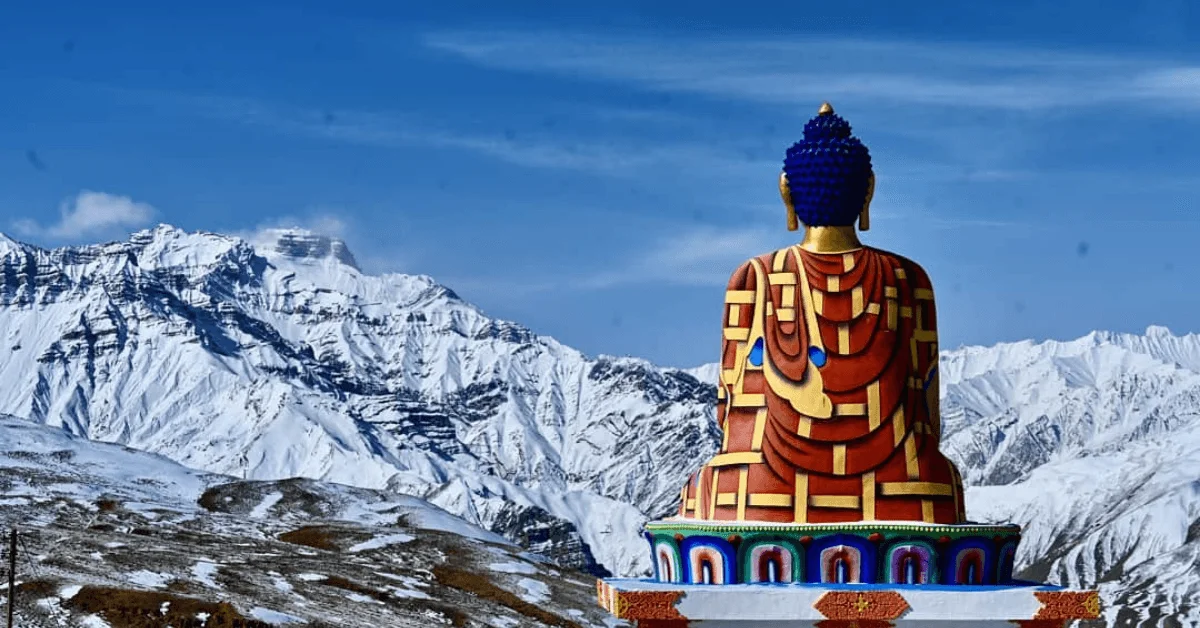
Famous for its giant Buddha statue overlooking the valley, Langza is also known as a fossil hotspot
where you
can find ancient marine fossils—proof that this land was once under the sea. At 4,420 meters, it offers
unmatched views of Chau Chau Kang Nilda peak.
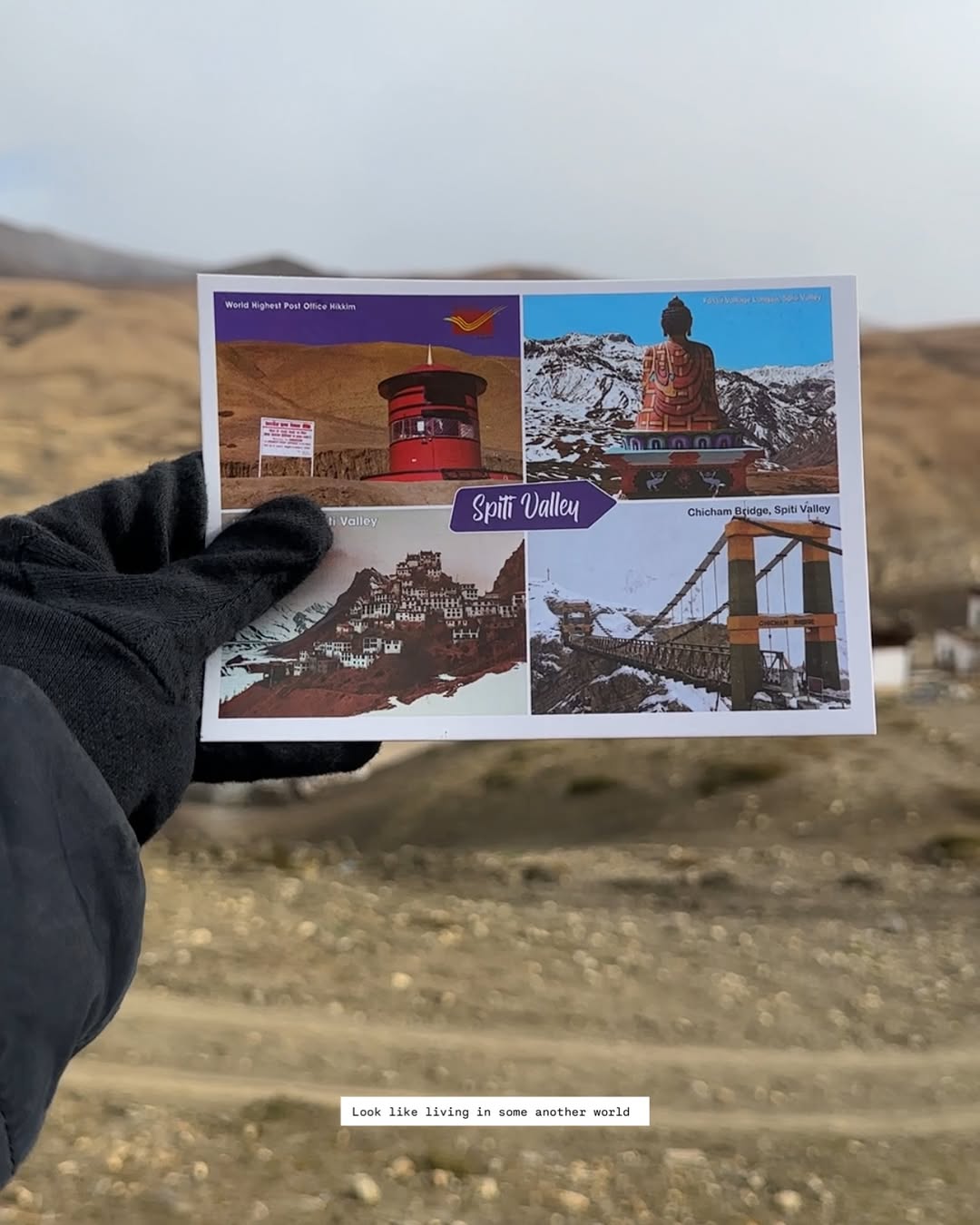
8. Hikkim – World’s Highest Post Office
At 4,440 meters, Hikkim holds the record for the world’s highest post office. Sending a postcard from
here is a
unique way to mark your Spiti journey. The village also offers stunning sunrise and sunset views.
9. Komik – One of the Highest Villages
Komik, at 4,587 meters, is one of the highest inhabited villages in the world connected by a motorable
road. Its
Tangyud Monastery is a striking red-and-white structure with commanding views of the valley.
10. Kunzum Pass
Connecting Spiti to Lahaul, Kunzum Pass at 4,551 meters offers awe-inspiring vistas. Travelers often
stop at the
Kunzum Mata temple to seek blessings before continuing their journey.
Travel Tips for Sightseeing:
- Plan for acclimatization days to avoid altitude sickness while visiting high villages.
- Most attractions are connected by narrow mountain roads—hire experienced local drivers if not
self-driving.
- Mobile connectivity is limited; BSNL/MTNL works best in remote villages.
- Carry sufficient cash, as ATMs are scarce outside Kaza.
In conclusion, Spiti Valley’s attractions are not just destinations—they are experiences that blend
natural beauty, spirituality, and ancient culture. Whether you are drawn to the tranquil waters of
Chandratal,
the historic walls of Tabo Monastery, or the rugged charm of Langza and Kibber, each stop reveals a new
facet of
this high-altitude wonderland.
Spiti Valley’s weather varies dramatically across the year, shaping the experiences travelers can expect.
Knowing
the seasonal climate is essential for planning your journey and choosing the right Spiti Valley tour
package
to match your interests—be it adventure, photography, or cultural immersion.
Winter (Late October to Early March)
Winters in Spiti Valley are extreme, with temperatures often dropping to -20°C at night. Snow blankets
villages,
roads, and monasteries, turning the valley into a silent white wonderland. Most high passes, including
Kunzum,
remain closed, and road access is only via the Shimla–Kinnaur route. This is the time when frozen
rivers, icy
waterfalls, and spotting wildlife like snow leopards become possible. A winter Spiti Valley tour
package
usually includes homestays in remote villages like Kibber or Kaza for an authentic local experience.
Spring to Early Summer (March to June)
As temperatures rise to 5°C–20°C, the snow begins to melt, revealing colorful meadows and clear blue
skies.
Roads start opening from the Manali side by late May or early June, allowing circuit tours. This season
is ideal
for trekking to Chandratal Lake, visiting Key Monastery, and exploring high-altitude villages without
the
biting cold. Many Spiti Valley tour packages in this period focus on combining cultural visits
with
light adventure activities.
Monsoon (July to Early September)
Though Spiti lies in a rain shadow region, the approach roads via Kinnaur can experience rainfall,
leading to
occasional landslides. Within Spiti, the weather remains mostly dry, with temperatures between 10°C and
20°C.
This season paints the valley in fresh shades of green and is perfect for photographers seeking dramatic
landscapes and cloud formations. A monsoon Spiti Valley tour package offers a quieter travel
experience,
with fewer tourists and lush scenery.
Autumn (Mid-September to Late October)
Autumn offers some of the clearest views of the Himalayas, with crisp air and golden-brown landscapes.
Temperatures range between 0°C and 15°C, making it comfortable for sightseeing and trekking. Roads are
fully
open, allowing complete circuit tours via both Manali and Shimla routes. This is one of the best times
to book a
Spiti Valley tour package for those seeking a balance of good weather, accessibility, and scenic
beauty.
Travel Tips for Weather Preparedness:
- Check road conditions and weather forecasts before departure, especially during monsoon and winter.
- Carry layered clothing, as temperatures can vary greatly between day and night.
- Choose a Spiti Valley tour package that includes acclimatization days to avoid altitude
sickness.
- During winter, be prepared for limited facilities and possible power outages in remote villages.
In conclusion, every season in Spiti Valley brings a unique charm—from winter’s serene snowfields to
summer’s vibrant treks and autumn’s clear vistas. By selecting the right Spiti Valley tour package
based
on the season, you can ensure your journey aligns perfectly with your desired experiences in this
mesmerizing
Himalayan destination.
Choosing the best time to visit Spiti Valley depends on the kind of experience you seek. Each season
offers its
own charm, but most travelers and travel experts agree that the months from late May to mid-October are
the
most favorable for a well-rounded trip. This period ensures good road connectivity, pleasant weather,
and
access to most attractions—making it ideal for booking a Spiti Valley tour package.
Late May to June – Spring & Early Summer Bliss
During these months, the Manali–Kaza route reopens after winter closures, allowing complete circuit
tours.
Snow-capped peaks still crown the valley, while daytime temperatures remain comfortable between 10°C and
20°C.
This is the best time for photography, road trips, and light adventure activities. Many travelers choose
a
Spiti Valley tour package in this season to enjoy both snow views and accessible roads.
July to September – Monsoon & Lush Landscapes
While Spiti itself receives minimal rainfall due to its rain shadow location, the approach roads via
Kinnaur can
experience showers. This brings fresh greenery, blooming wildflowers, and dramatic skies—perfect for
nature
lovers and photographers. If you pick a monsoon Spiti Valley tour package, ensure it includes
buffer days
to account for potential road delays.
Mid-September to Mid-October – Autumn’s Golden Glow
Clear blue skies, crisp mountain air, and golden-brown valleys define this period. Roads remain open on
both
Manali and Shimla sides, making it possible to complete the full circuit comfortably. Many experienced
travelers consider this the absolute best time to book a Spiti Valley tour package for balanced
weather,
fewer crowds, and uninterrupted views.
When to Avoid
From late October to early May, Spiti experiences harsh winters with heavy snowfall and sub-zero
temperatures.
Unless you are prepared for extreme cold and limited accessibility, it’s best to avoid this period
unless you
are booking a specialized winter Spiti Valley tour package focused on snow leopard spotting or
winter photography.
Travel Tips for Timing Your Visit:
- Check road status before planning, especially for the Manali–Kaza route in early summer and late
autumn.
- Book your Spiti Valley tour package at least 1–2 months in advance during peak summer season.
- Consider your interest—spring for snow views, summer for adventure, autumn for photography.
- Plan buffer days during monsoon to handle unexpected delays.
In conclusion, the best time to visit Spiti Valley is between late May and mid-October, with each
sub-season
offering unique beauty. Whether you want vibrant meadows, clear mountain skies, or snow-covered landscapes,
there’s a perfect Spiti Valley tour package for every traveler’s dream.
Spiti Valley is generally considered safe for travelers, including solo adventurers, families, and small
groups.
Its friendly locals, low crime rate, and peaceful environment make it one of the more welcoming
destinations in
the Indian Himalayas. However, due to its high altitude, remote location, and challenging terrain,
safety
depends largely on proper planning and preparation—especially if you’re booking a Spiti Valley tour
package.
Road Safety
The roads to and within Spiti are narrow, winding, and often unpaved in sections. Landslides and
roadblocks
can occur, especially during the monsoon season. If you’re not experienced in mountain driving, it’s
best to
hire a skilled local driver or choose a Spiti Valley tour package that includes transportation
with
experienced operators.
Health & Altitude Considerations
Many parts of Spiti are above 3,500 meters, where oxygen levels are lower. Altitude sickness is a common
concern
for first-time visitors. To stay safe, plan acclimatization days, stay hydrated, and avoid overexertion
in the
first 24–48 hours. Reputable Spiti Valley tour packages often include gradual travel itineraries
to
reduce health risks.
Weather Preparedness
Weather in Spiti can change suddenly—from bright sunshine to snow or rain within hours. Always carry
warm
clothing, rain gear, and sturdy footwear. A well-organized Spiti Valley tour package ensures
you’re
equipped for such conditions, minimizing potential discomfort or hazards.
Connectivity & Emergency Services
Mobile network coverage is limited, with BSNL/MTNL working best in remote villages. Medical facilities
are basic
outside of Kaza, so carrying a personal first-aid kit is advisable. Many Spiti Valley tour
packages
include local guides who can assist in case of emergencies.
Travel Tips for a Safe Spiti Experience:
- Book your Spiti Valley tour package with experienced operators familiar with local
conditions.
- Travel with a small group for better safety and support in remote areas.
- Check weather and road updates before starting each leg of your journey.
- Respect local customs and monasteries to ensure a positive cultural exchange.
In conclusion, Spiti Valley is a safe and welcoming destination for travelers who come prepared. By
choosing a well-planned Spiti Valley tour package, you can explore its majestic landscapes and
ancient
culture with peace of mind, knowing that your safety is prioritized throughout the journey.
Yes, Spiti Valley offers a variety of budget-friendly stay options, making it possible for travelers to
enjoy this
breathtaking Himalayan destination without overspending. From cozy guesthouses and family-run homestays
to
affordable hostels and basic hotels, you can easily find accommodations that fit your budget—especially
when
booking a Spiti Valley tour package designed for cost-conscious travelers.
Homestays – Authentic & Affordable
Homestays are one of the most economical ways to experience Spiti. They provide not only a place to
sleep but
also an opportunity to share meals and stories with local families. Villages like Kibber, Langza, and
Dhankar
have homestays starting from ?500–?800 per night. Many Spiti Valley tour packages include
homestay
options to give travelers an immersive cultural experience at a low cost.
Guesthouses & Budget Hotels
In towns like Kaza, Tabo, and Keylong, you can find budget hotels and guesthouses offering basic
amenities such
as hot water, clean rooms, and Wi-Fi (where available). Prices typically range from ?800–?1,500 per
night.
Choosing a Spiti Valley tour package with pre-booked stays can save both time and money,
especially
during the summer tourist season.
Backpacker Hostels
Over recent years, backpacker hostels have become popular in Kaza and nearby villages. With dormitory
beds
starting at around ?400–?600 per night, they are perfect for solo travelers or groups seeking social
interactions. Some Spiti Valley tour packages partner with these hostels to keep costs low while
ensuring
a comfortable stay.
Camping & Adventure Stays
For those who enjoy the outdoors, budget camping near Chandratal Lake or in Pin Valley is an exciting
option.
Tents with sleeping bags can be rented for reasonable prices. Certain adventure-focused Spiti Valley
tour
packages include camping nights to combine affordability with a unique experience.
Tips for Finding Budget Stays in Spiti Valley:
- Book your Spiti Valley tour package in advance during peak season to secure affordable rates.
- Travel in a group to share accommodation and transportation costs.
- Opt for homestays in smaller villages for a more authentic and low-cost experience.
- Be flexible with amenities—budget stays may not always have constant hot water or strong internet.
In conclusion, Spiti Valley is a destination where budget travel is absolutely possible. By choosing
homestays, guesthouses, hostels, or camping options, and booking a well-planned Spiti Valley tour
package,
you can explore its stunning landscapes, ancient monasteries, and vibrant culture without stretching your
wallet—proving that unforgettable adventures don’t have to be expensive.
Spiti Valley, known for its rugged terrain and remote location, is a paradise for adventure seekers.
While it may not have commercialized sports like in popular hill stations, it offers a range of
thrilling activities that make any Spiti Valley tour package unforgettable. From trekking and
mountain biking to river rafting and wildlife spotting, the valley is a playground for those who love
the outdoors.
Trekking & Hiking
Spiti Valley is surrounded by some of the most scenic trekking routes in the Himalayas. Trails like
Dhankar Lake Trek, Pin Parvati Pass Trek, and hikes to high-altitude villages such as Langza and Hikkim
are popular. Many Spiti Valley tour packages include short and long treks for travelers who want
to explore offbeat paths.
Mountain Biking
With its challenging roads, steep ascents, and panoramic views, Spiti is perfect for mountain biking.
Cycling from Kaza to Kibber or riding along the Spiti River offers a unique way to experience the
valley. Adventure-focused Spiti Valley tour packages often provide rental bikes and guided
routes.
River Rafting
The Spiti and Pin rivers offer seasonal river rafting experiences, usually in summer when the water flow
is steady but not too dangerous. This activity combines adrenaline with breathtaking landscapes, making
it a highlight of many Spiti Valley tour packages.
Wildlife & Bird Watching
Spiti Valley is home to rare Himalayan wildlife such as the snow leopard, Himalayan ibex, and blue
sheep. The Pin Valley National Park is a hotspot for spotting these species. Winter-special Spiti
Valley tour packages often focus on wildlife photography and guided expeditions.
Camping & Stargazing
Due to its high altitude and minimal light pollution, Spiti offers some of the clearest night skies in
India. Camping at Chandratal Lake or in Pin Valley allows travelers to witness stunning starry nights
and even the Milky Way. Several Spiti Valley tour packages combine camping with other adventure
activities.
Tips for Adventure in Spiti Valley:
- Choose a Spiti Valley tour package that matches your fitness level and adventure preferences.
- Always carry basic first-aid and stay hydrated during treks and outdoor activities.
- Respect local wildlife and avoid disturbing natural habitats.
- Check weather conditions before planning high-altitude adventures.
In conclusion, Spiti Valley is a dream destination for thrill-seekers. Whether it’s trekking through
high passes, biking along rugged trails, rafting in icy rivers, or camping under starry skies, the right
Spiti Valley tour package can help you experience the adventure of a lifetime in one of the most
stunning and untouched corners of the Himalayas.
Spiti Valley is surrounded by several stunning destinations that can be explored as part of your journey,
turning a single trip into a multi-location Himalayan adventure. Whether you travel via the Manali route
or the Shimla–Kinnaur route, a well-planned Spiti Valley tour package can include nearby places
that add diversity to your itinerary.
Kinnaur Valley
Located on the way to Spiti from Shimla, Kinnaur is known for its apple orchards, green valleys, and the
famous Kinnaur Kailash mountain. Towns like Kalpa, Sangla, and Chitkul offer breathtaking views,
charming villages, and unique cultural experiences. Many Spiti Valley tour packages include a
stopover here for acclimatization and sightseeing.
Manali
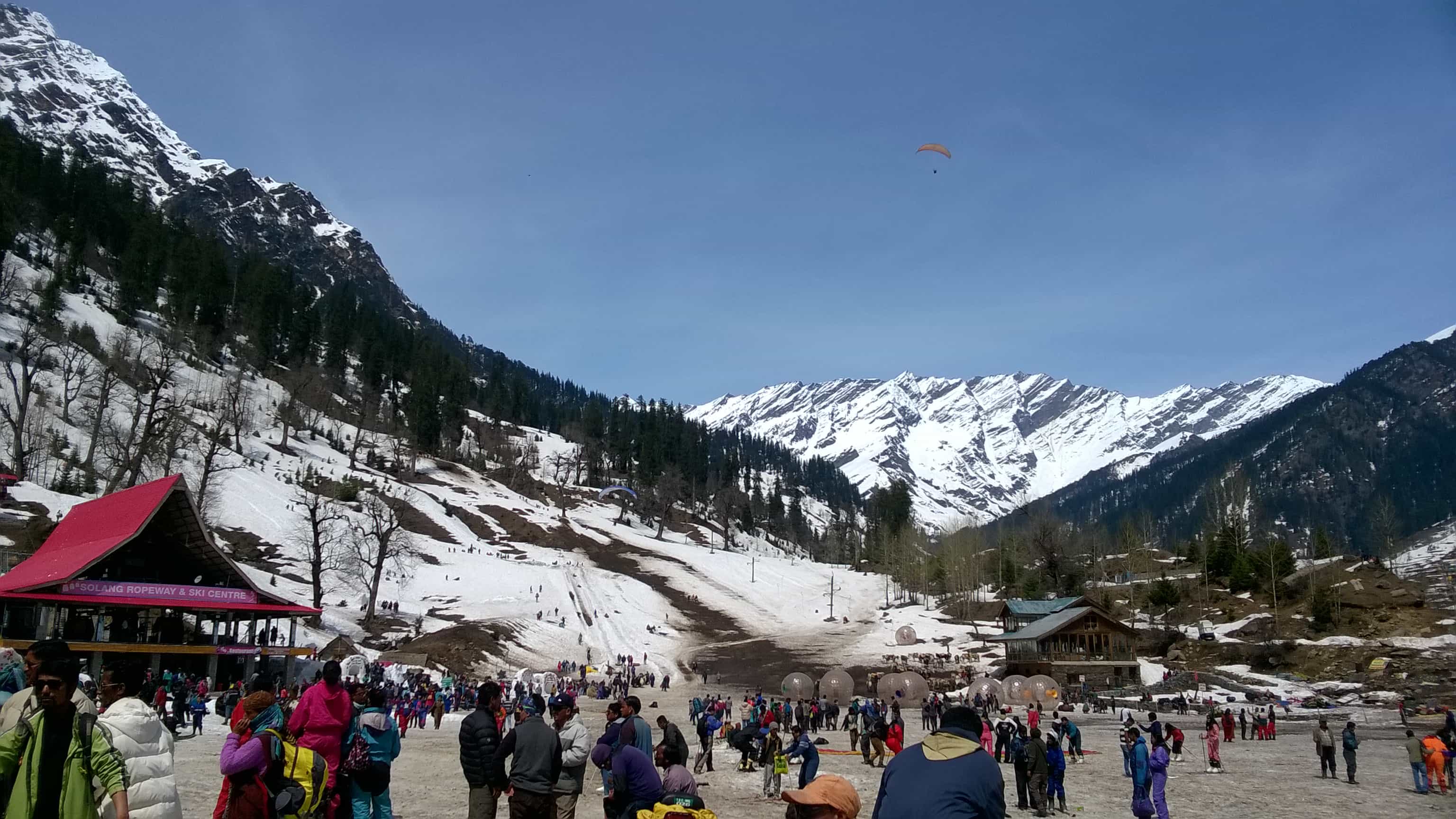
If you’re entering Spiti via the Manali–Kaza route, you can spend a day or two in Manali. Known for its
cafes, adventure sports, and scenic spots like Solang Valley and Rohtang Pass, Manali makes a perfect
starting or ending point for your trip. Some Spiti Valley tour packages include Manali
sightseeing before heading to the high mountains.
Chandratal Lake
Often called the “Moon Lake,” Chandratal is one of the most beautiful high-altitude lakes in the region.
Its turquoise waters set against snow-clad peaks make it a must-visit. Camping near the lake is a
popular inclusion in many Spiti Valley tour packages.
Pin Valley National Park
Situated within Spiti itself, Pin Valley is known for its lush greenery in summer, rare wildlife, and
vibrant flowers. It’s an ideal place for trekking and photography, and many Spiti Valley tour
packages plan short hikes here.
Leh–Ladakh (Extended Trip)
For those with extra time, extending your trip from Spiti to Leh is an epic Himalayan journey. This
route offers high passes, monasteries, and surreal landscapes. A few Spiti Valley tour packages
cater to travelers who want to combine both destinations.
Tips for Exploring Nearby Places:
- Plan your Spiti Valley tour package to include buffer days for side trips and
acclimatization.
- Consider starting from Shimla and ending in Manali (or vice versa) for a full circuit experience.
- Book stays in advance for popular spots like Chandratal during peak season.
- Check road conditions before adding remote destinations to your plan.
In conclusion, exploring nearby places such as Kinnaur, Manali, Chandratal Lake, and Pin Valley
enhances the charm of a Spiti Valley trip. By selecting a Spiti Valley tour package that includes
these destinations, you can enjoy diverse landscapes, rich culture, and unforgettable adventures all in one
journey.
Packing smartly for Spiti Valley is essential due to its high-altitude location, unpredictable weather,
and remote setting. A well-prepared traveler can enjoy the journey comfortably, and many Spiti
tour package provide packing checklists to ensure nothing important is missed. Your packing
should balance warmth, functionality, and convenience.
Clothing Essentials
Spiti’s weather can change dramatically within hours, so layering is key. Carry thermal inners, fleece
jackets, windproof and waterproof outer layers, and comfortable trekking pants. Even in summer, nights
can be cold, so a warm down jacket is recommended. Many Spiti Valley tour packages suggest
packing extra socks and gloves for added warmth.
Footwear
A sturdy pair of waterproof trekking shoes is essential for uneven and rocky terrain. Carry lightweight
sandals or slippers for evenings and indoor use. Some Spiti Valley tour packages also recommend
gaiters if you plan to trek through snow patches.
Health & Safety Gear
Due to limited medical facilities, it’s wise to carry a personal first-aid kit with altitude sickness
medicine, pain relievers, and any personal prescriptions. Sunscreen, lip balm with SPF, and sunglasses
with UV protection are must-haves to protect against strong mountain sun. Reputable Spiti tour
package often provide oxygen cylinders or oximeters for high-altitude trips.
Travel Accessories
Pack a durable backpack with rain cover, refillable water bottle, flashlight or headlamp, and extra
batteries. A power bank is necessary as electricity can be unreliable in remote villages. Some Spiti
tour packages also advise carrying reusable cutlery and eco-friendly toiletries to
minimize waste.
Documents & Cash
Carry a valid government ID, permits if required, and multiple photocopies. ATMs are limited in Spiti,
so bring enough cash in smaller denominations. Many Spiti Valley tour packages highlight this to
avoid last-minute inconveniences.
Tips for Packing for Spiti Valley:
- Follow the checklist provided by your Spiti Valley tour package operator for
destination-specific needs.
- Use waterproof packing bags to protect clothes and electronics from rain or snow.
- Pack light but do not skip essentials—shops in Spiti may not stock all items.
- Keep a small daypack for daily excursions while your main luggage stays at your accommodation.
In conclusion, packing well for Spiti Valley ensures you are ready for its cold nights, sunny days,
and offbeat adventures. By preparing with the right clothing, gear, health essentials, and documents, and by
following the guidance of a reliable Spiti Valley tour package, you can enjoy your trip with comfort
and confidence in one of India’s most remote yet rewarding destinations.


.jpg)

.jpg)
.jpg)





.jpg)

.jpg)













.png)
.png)
.png)
.jpg)
.png)

.jpg)

.png)
.jpg)
.png)
.png)
.jpg)
.png)
.png)

.png)
.png)

.jpg)
.png)
.jpg)
.png)
.png)
.png)
.png)
.png)
.png)
.png)
.jpg)
.png)
.jpg)

.png)
.png)

.jpg)

.png)
.png)
.png)
.jpg)
.png)
.png)

.png)
.png)
.png)
.png)

.png)
.jpg)
.png)